Is your next Berkeley home a time-capsule mid-century or a sleek modern build? Many buyers wrestle with this choice because both styles shine in different ways. You want a home that fits your lifestyle, holds value, and feels right from day one. In this guide, you will learn how each style lives, what to watch for in inspections, how Denver permits work, and how to budget for upgrades. Let’s dive in.
Mid-century vs. modern in Berkeley
Mid-century character
Mid-century homes in Berkeley generally date from about 1945 to 1970. You will see low-sloped or gabled roofs, long horizontal lines, and larger windows that connect living spaces to the yard. Interiors tend to be single-level or split-level with modest footprints, built-ins, and sometimes exposed beams. Buyers are drawn to the period materials and the strong indoor-outdoor flow.
Modern and contemporary
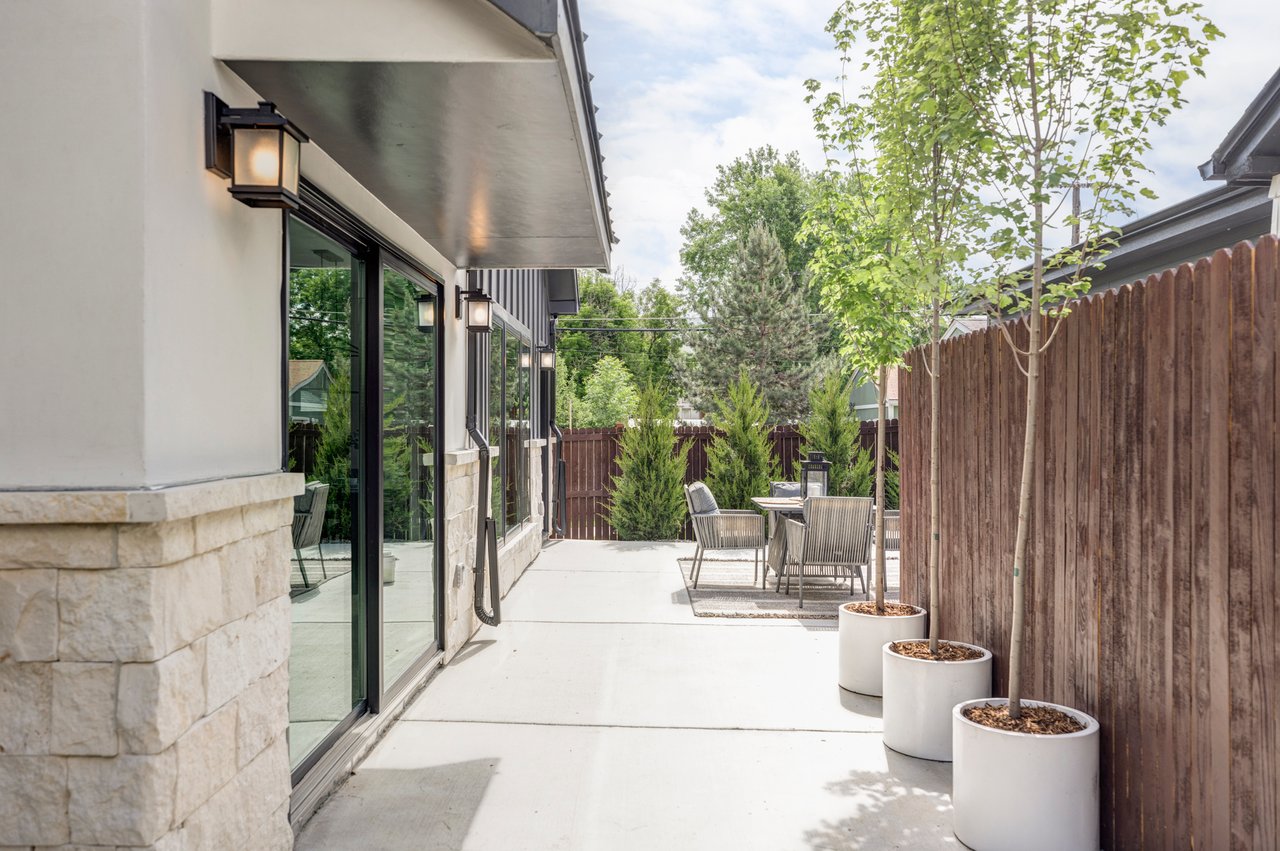
Modern homes in Berkeley are usually newer infill or major remodels from the last 10 to 15 years. Expect open floor plans, higher ceilings, and expansive glazing that brings in light. Facades are often minimalist with mixed cladding like stucco, metal, fiber cement, or wood. The appeal is clear: up-to-date systems, contemporary finishes, and construction built to current code.
How each style lives day to day
A mid-century home often offers a calm, grounded feel with rooms that define zones for living, dining, and work. The yard connection can be excellent, especially on lots with mature trees. You may plan targeted updates for comfort, like insulation or window improvements. These upgrades can preserve the character while improving performance.
Modern homes lean into open layouts that support entertaining and flexible family life. Larger windows and taller ceilings boost natural light and volume. Newer HVAC, wiring, and plumbing reduce near-term maintenance. Roof decks or curated small yards are common on infill lots, so consider privacy and shading.
Inspection checklists by style
Mid-century: what to ask and check
- Ask about past upgrades: insulation, windows, furnace and AC, and any roof work.
- Review roof type and condition, especially if it is low slope. Check flashings and gutters.
- Verify electrical and plumbing. Older wiring or galvanized pipes can drive scope.
- Assess windows. Original single-pane units lose energy and may need sensitive replacements.
- Confirm testing and remediation plans for potential asbestos or lead on pre-1978 surfaces.
- Look for signs of settling, moisture at roof transitions, and envelope leaks.
- Factor predictable upgrades into your offer or request seller credits when appropriate.
Modern: what to ask and check
- Confirm permits were pulled and closed for the build or remodel.
- Request details on warranties for structure, roof, windows, and systems.
- Inspect roof drainage and flashings, especially on flat or low-slope designs.
- Review mechanical commissioning, insulation, and air sealing for efficiency.
- Evaluate cladding joints and water management details that can be stress points.
- Verify grading and site drainage, particularly on infill lots with close neighbors.
- Confirm warranty transferability and tie a final walk-through checklist to contingencies.
Roofs, windows, and energy
Mid-century roofs can be low slope and require diligent maintenance. Pay attention to transitions, flashing, and prior repair history. Original single-pane windows and thin or absent insulation are common and impact comfort and utility costs.
Modern homes typically use double or triple glazing with thermally improved frames. Newer foundations and framing follow current code. Flat or low-slope roofs still need careful drainage, so confirm details and maintenance schedules.
Energy upgrades for older homes often focus on insulation, windows, HVAC, and air sealing. Incentives and rebates may be available through local programs and utilities. Always confirm current offerings before you budget.
Permits, zoning, and preservation in Denver
Denver’s zoning sets what you can add or build on a given parcel. Standards can vary block to block in Berkeley, so verify allowable height, massing, ADUs, and use before planning changes. Structural alterations, reroofs, mechanical replacements, and window openings generally require permits through the city.
If a property is a designated Denver Landmark or lies within a local historic district, exterior changes may require review by the Landmark Preservation Commission. Many mid-century homes are not designated, but you should still check status before you plan exterior work. For any project, align your scope with code and confirm inspections early to avoid delays.
Costs and financing basics
With a mid-century home, the common cost drivers are systems replacement, roof work, insulation, window upgrades, and selective restoration of period features. If testing finds asbestos or lead, professional abatement adds to scope. A modern infill or comprehensive remodel can run higher per square foot, but you trade for newer systems, open plans, and warranties that reduce unknowns.
If you plan to renovate, consider renovation-friendly mortgages and speak with lenders who understand Denver infill projects. Always collect multiple bids and include a contingency line. Your inspection findings should shape the budget and your negotiation strategy.
Resale and long-term value in Berkeley
Both styles sell in Berkeley when the design and execution are strong. A well-executed mid-century restoration that pairs character with system upgrades can achieve premium pricing among design-focused buyers. High-quality modern infill also performs well, especially where new construction options are limited.
For sellers, highlight energy upgrades, warranty transfers, and either preserved period details or premium systems and open-plan benefits. For buyers, focus on quality, proportion, and how the home fits the neighborhood fabric.
How to choose with confidence
Use your daily life as the lens. If you value authenticity, crafted details, and a calm connection to the yard, a mid-century may fit. If you want low maintenance, volume, and an open plan, a modern home likely wins.
Ask yourself:
- Do you prefer defined rooms or a single open living zone?
- Are you comfortable managing a targeted retrofit over time, or do you want newer systems from day one?
- How important are roof decks, ceiling height, and expansive glazing to your lifestyle?
- Does the lot orientation and privacy plan work for you today and long term?
When you align style to lifestyle, inspections, and zoning, the right choice becomes clear.
Work with a design-savvy negotiator
Navigating Berkeley’s mix of mid-century gems and modern infill takes a steady hand. You deserve an advisor who understands building systems, zoning, and design details, and who negotiates with discipline. For tailored guidance and a private, results-focused process, connect with Katherine Lillydahl.
FAQs
Will replacing original mid-century windows hurt value?
- Replacements often improve energy performance but can alter character. Consider historically sensitive replacements or retrofit solutions if preserving the look is a priority.
Are Berkeley mid-century homes restricted by historic rules?
- Only if the property is a designated Denver Landmark or inside a local historic district. Otherwise, normal permits apply for changes.
Is a modern infill worth the premium over a restoration?
- It depends on your priorities. If low maintenance, open plans, and modern systems matter most, modern construction can be worth it. If character and reuse are key, restoration may fit better.
What renovation costs should I plan for in a mid-century home?
- Budget for roof, HVAC, windows, insulation, and potential hazardous-material abatement. Get multiple bids and add a contingency.
What permits do I need for upgrades in Denver?
- Structural changes, reroofs, mechanical installs, and window opening changes typically require permits. Always verify with the city before you begin.