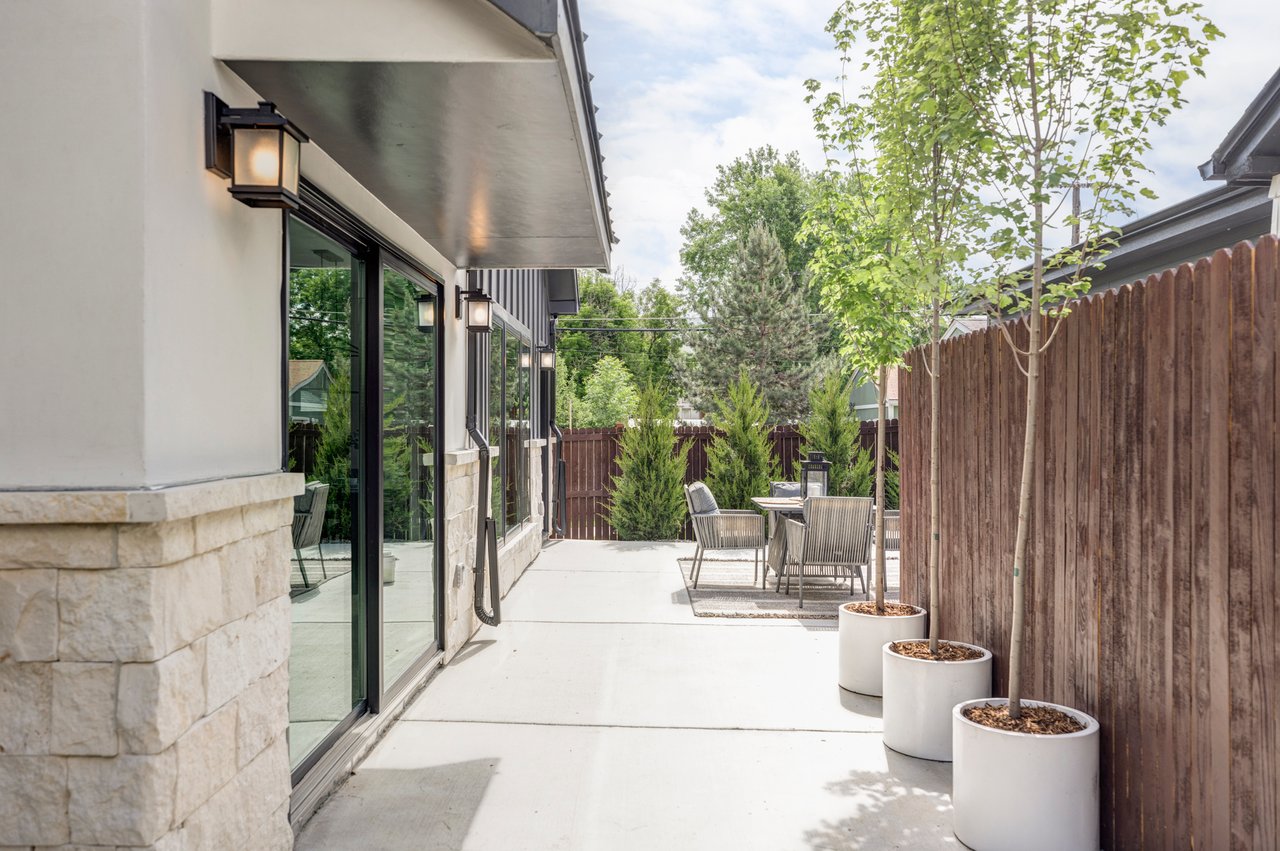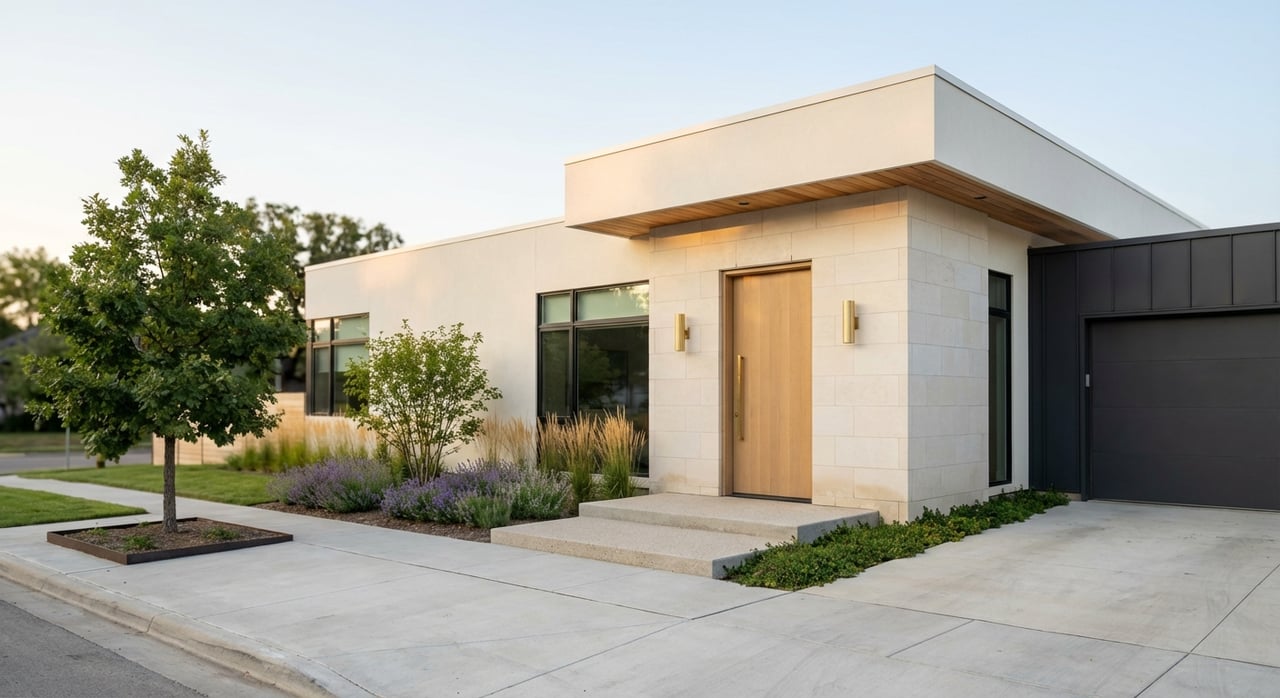
Eyeing a brand-new home near Cranmer Park but unsure how to compare it with a beautifully updated resale? You want modern design, strong construction, and a floor plan that works for the next decade, not just the next year. In this guide, you’ll learn what to check in Hilltop specifically, from permits and builder vetting to site orientation and long-term livability. Let’s dive in.
Why Hilltop appeals to luxury buyers
Hilltop sits just southeast of Cherry Creek and east of Congress Park. It blends mature trees and park access with a growing wave of high-end infill. You will find mid-century Tudors and ranches alongside new custom builds on medium to large lots. That mix creates both opportunity and responsibility when you buy new in this neighborhood.
Market indicators put Hilltop in a premium band. Zillow’s ZHVI shows a typical home value around $1.43 million as of late 2025, while Redfin reports median sale prices in the high $1 millions to roughly $1.7 million depending on the time period and sub-area. Exact pricing varies street by street, so lean on recent MLS comps when you are ready to write an offer.
Denver permits and codes you should know
Before you fall in love with the finishes, confirm what the city allowed on the lot. All new single-family builds and substantial additions in Denver require zoning, building, and sewer/drainage (SUDP) permits, with multiple agency reviews and inspections. Ask for the full permit set and inspection records. Build your schedule and contingencies around review and inspection timelines.
Denver adopted its 2025 Building and Fire Codes, with energy requirements aligned to the 2021 IECC through local adoption. Always verify which code version governs the home, since the permit-submission date can grandfather projects under earlier standards. Code versions affect insulation levels, mechanical systems, window performance, and more.
Colorado also advanced statewide energy and electrification readiness. Expect many new builds to be solar and electric ready, with provisions for wiring and panel capacity that support EV charging and future upgrades. Ask the builder for as-built electrical capacity, EV-ready conduit to the garage, and whether a level 2 charger rough-in is included.
Accessory dwelling units are becoming more accessible. State guidance requires jurisdictions to allow at least one ADU where single-unit detached homes are allowed, and Denver has its own ADU procedures. If you want future flexibility or multi-generational options, confirm zoning, utility capacity, and any ADU design accommodations in the current plan.
How to vet a luxury builder
The right builder protects your budget, timeline, and peace of mind. Treat due diligence like a hiring process.
Licensing, insurance, and references
- Confirm the builder’s registration in Denver and licensing for trades like electrical and plumbing.
- Request proof of general liability and workers’ compensation.
- Ask for at least three local references and two completed Hilltop or nearby projects of similar scale. Visit one in person.
Contracts, allowances, and change orders
- Require a clear, itemized base scope and finish allowance schedule.
- Define a change-order process, including markups and approval timelines.
- Set a realistic construction schedule with remedies for delays and a documented closeout and punchlist process.
Warranty strength
- Ask for written warranty terms and, when possible, an insurance-backed 1-2-10 program: 1 year workmanship, 2 years systems, 10 years structural.
- If a builder proposes a self-insured warranty, note the solvency risk. Insurance-backed coverage is preferable in this price band.
Independent inspections
- City inspections confirm minimum code compliance. Protect your quality standard by hiring a third-party inspector for phase checks: pre-pour, framing/pre-drywall, mechanical commissioning, and final.
Red flags
- No verifiable local references or no completed homes of similar scale.
- Refusal to provide sample warranty documents or third-party structural coverage.
- Vague allowances, unlimited change-order markup, or no schedule remedies.
Site and orientation matter more than a finish palette
In Hilltop, the lot and how the home sits on it drive long-term value.
Architectural continuity and street presence
- Evaluate scale and massing next to immediate neighbors. Oversized or incompatible façades can hurt resale in an area that values visual continuity.
- Ask the architect or builder how roof heights, window rhythms, and setbacks respond to the block.
Solar exposure and outdoor living
- Map roof planes and southern exposure for potential PV. Note shading from mature trees and the best placement for patios and outdoor rooms.
- Passive daylight and a south or southwest roof plane for solar add comfort and future-proofing.
Grading, drainage, and SUDP
- Review final grading plans and how water sheds to the street or alley. Confirm foundation waterproofing and sub-surface drainage coordination. Many issues start outside the walls.
Utilities, alleys, and EV readiness
- Verify alley access, easements, and garage placement. Confirm panel size, spare breaker capacity, and EV-ready wiring to the garage. Ask whether the service can support heat pumps, EV charging, and a future ADU.
Finish quality checklist for walk-throughs
Use this focused list to separate strong execution from surface-level polish.
Building shell and water control
- Check window and door pan flashing, continuous weather barrier, and visible roof flashing details.
Windows and exterior doors
- Confirm manufacturer, U-factor and SHGC ratings suited to Denver’s climate, warranty terms, and installation method. Test every unit for smooth operation.
Insulation and air sealing
- Request insulation R-values and locations. Ask if blower-door and duct leakage test results will be provided at closeout.
HVAC and commissioning
- Identify equipment type and efficiency. Confirm mechanical commissioning and a simple owner’s operation manual. Mechanical rooms should be labeled and accessible.
Electrical and EV
- Verify panel amperage, spare breakers, and EV charger rough-in. Put EV wiring requirements in the contract if they matter to you.
Kitchen, millwork, and tile
- Look for full-extension, soft-close hardware and sturdy cabinet boxes. Check stone support and tile layout, edge details, and finish alignment.
Plumbing and water management
- Confirm piping materials, pressure regulation, and hot-water delivery method. Ensure access to shutoff and isolation valves.
Exterior hardscape and landscape
- Review irrigation, grading, and the maturity of plantings. Budget time and cost for landscape to reach its full potential.
Punchlist and documentation
- Require a formal punchlist, an itemized warranty with claims process, and an organized closeout binder with permits, manuals, and test reports.
Floor plan choices that age well
Design for how you live today and how you may live in 10 years.
Flex rooms and smart adjacencies
- Favor rooms that convert between office, guest suite, and bedroom uses. Pre-planned plumbing or wiring zones make future changes easier.
Main-floor primary or easy conversion
- A main-level primary suite, or a plan that can convert, is a strong long-term asset. Check circulation, closet capacity, and proximity to laundry and storage.
Storage and service access
- Count pantry space, mudroom storage, garage clearance, and attic access. Ensure mechanicals can be serviced or upgraded without disrupting finished areas.
Future ADU potential
- If income or multi-generational living is a goal, verify ADU eligibility and utility capacity. Ask whether the current design anticipates an attached or detached ADU.
Structural and electrical planning
- Request structural plans that show bearing walls and beams. Note roof framing depth for PV wiring or a future rooftop stair. Confirm panel capacity for later additions.
New vs. resale in Hilltop
New luxury gives you modern systems, energy efficiency, a builder warranty, and the chance to personalize. You may pay a premium and wait for landscaping to mature. Resale can offer established streetscape, mature trees, and immediate occupancy, but you may plan for system upgrades or a kitchen refresh to meet your standards.
In Hilltop, buyers often pay for proximity to parks, thoughtful architecture, and well-executed outdoor space. For dollar-specific decisions, rely on current MLS comps and recent neighborhood trades.
Quick checklists
Before you tour: request from the builder
- Three local references and two comparable Hilltop projects.
- Sample contract, allowance schedule, change-order policy, and warranty terms.
- Electrical service size, EV-ready details, and an energy spec sheet.
At the site tour: verify on the ground
- Massing and façade fit with neighbors and tree canopy.
- Roof planes for solar, garage depth for EV charger placement, and drainage to curb or alley.
- Mechanical locations and service access for future maintenance.
Before you sign: require in writing
- Third-party structural warranty or clear insurance backing.
- Final punchlist procedures, warranty claims process, and a firm delivery schedule with remedies for delay.
After contract: schedule independent inspections
- Pre-pour and subterranean utilities.
- Pre-drywall and framing.
- Mechanical commissioning and a detailed final walk-through.
Ready to tour Hilltop new builds?
If you want a home that blends timeless design with smart investment discipline, you deserve a guide who understands both construction and the Hilltop micro-market. For discreet, white-glove representation and developer-level due diligence, connect with Katherine Lillydahl. Schedule a private consultation and map a path to the right property and the right terms.
FAQs
What makes Hilltop attractive for new luxury construction?
- A blend of mature trees, park access, and medium to large lots supports modern floor plans while maintaining a refined neighborhood character.
Which Denver permits should I see before closing on a new build?
- Request zoning, building, and sewer/drainage (SUDP) permits, plus inspection logs and the certificate of occupancy to confirm compliance and closeout.
How do current codes affect a Hilltop new build?
- Denver’s 2025 codes and 2021 IECC energy references influence insulation, windows, and mechanicals. Verify the code version tied to the permit-submission date.
What is a 1-2-10 builder warranty and why does it matter?
- It typically includes 1 year for workmanship, 2 years for systems, and 10 years for structural. Insurance-backed coverage reduces risk compared with self-insured promises.
How can I tell if a floor plan will age well?
- Look for a main-floor suite or easy conversion, flexible rooms, generous storage, accessible mechanicals, and electrical capacity for EV charging or a future ADU.
Do I need independent inspections if the city already inspected the home?
- Yes. City inspections confirm minimum code, while a third-party inspector protects your broader quality and performance interests during key build phases.