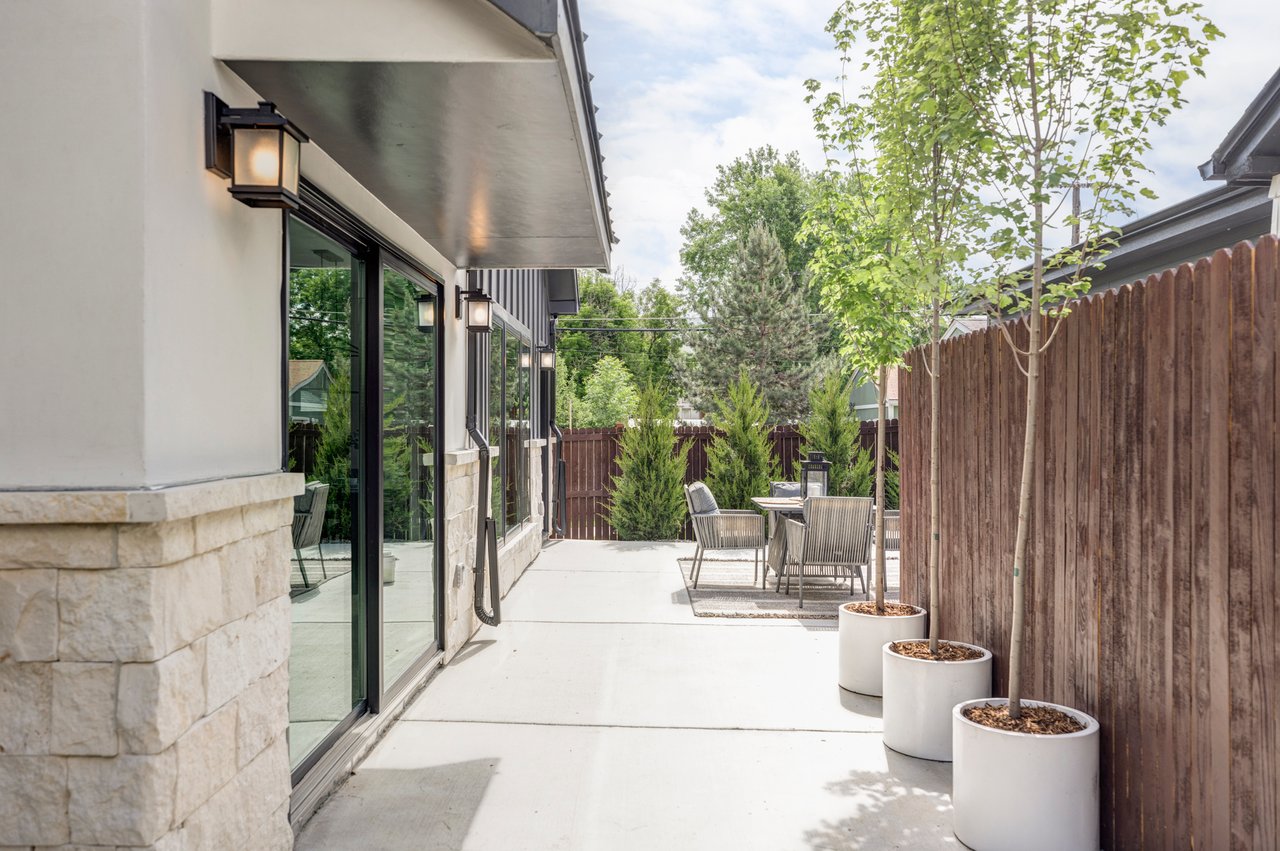
Are you wondering which condo amenities in Cherry Creek actually hold their value over time? With so many beautiful buildings and lifestyle perks, it can be hard to tell what truly matters for resale and what simply raises monthly costs. You want a home that fits your life today and remains attractive to buyers tomorrow.
In this guide, you’ll learn which amenities carry lasting weight in Cherry Creek, how HOA health affects long-term value, and practical steps to evaluate any building. You’ll also get a clear checklist for tours and tips to position your condo for a stronger sale. Let’s dive in.
Why Cherry Creek amenity value endures
Cherry Creek is a polished urban neighborhood with a mix of older conversions, boutique mid-rises, and modern high-rises. The area’s retail, dining, and walkability create built-in lifestyle value that benefits most buildings and units.
Because the neighborhood already delivers a strong day-to-day experience, the best in-building amenities are those that enhance convenience, predictability, and livability without inflating costs. Focus on amenities that are durable, easy to maintain, and aligned with how Cherry Creek buyers live.
Location amenities that always matter
Cherry Creek’s biggest amenity is the neighborhood itself. Proximity to shops, restaurants, galleries, and services tends to support stable demand.
Walkability and retail access
Being a short walk to Cherry Creek North and the Cherry Creek Shopping Center is a persistent value driver. Buyers in this market prize the ability to run errands and meet friends without getting in the car. When comparing units, note actual walking minutes to retail corridors and daily needs.
Trails and parks
Access to the Cherry Creek Trail and nearby green space adds lifestyle appeal. Whether you walk, ride, or simply enjoy being outdoors, nearby recreation options remain relevant to a wide range of buyers over time.
Parking, storage, and deliverability
In urban neighborhoods, parking and storage are value anchors. Deeded or assigned parking is highly desirable, and covered parking often commands a premium. Guest parking and secure bike storage add to everyday ease.
Consider the cost side. Structured parking carries ongoing maintenance, and garages sometimes require major capital projects. Verify whether stalls are deeded or pooled and how the HOA budgets for repairs.
Private outdoor space, views, and daylight
A usable balcony or terrace is a consistent ask in Cherry Creek. Private outdoor space gives you a retreat for coffee, dining, or fresh air and can help support resale pricing. Units with strong natural light and pleasant views are often easier to sell.
Ask about balcony waterproofing history, guardrail safety, and reserve funding. These items are part of the building’s long-term plan and can affect future assessments.
Building quality and maintenance
Construction quality and proactive upkeep preserve value. Look for solid structural systems, good sound attenuation, and well-kept common areas. Lobbies, elevators, and hallways that feel maintained signal a building that protects owner confidence.
Request recent capital improvement records and any reserve study. You want evidence of planning for big-ticket items like roofs, elevator modernization, and garage membranes.
HOA governance and reserves
A strong HOA is one of the most important long-term “amenities” you can buy. Adequate reserves, transparent budgets, and clear meeting minutes help you judge predictability. Buildings that chronically underfund reserves often rely on special assessments, which can pressure resale values.
When reviewing documents, look for a steady funding plan and a track record of timely projects. Ask about insurance deductibles, prior claims, and special assessment history.
Security and services
Secured entries, a doorman or concierge, package management, and on-site management can enhance convenience. These services are popular with downsizers and buyers who travel.
Balance the benefit against cost. Staffing is expensive and will raise HOA dues. The key is a service level that matches the building’s buyer profile without overextending the budget.
Fitness, wellness, and community spaces
Gyms, studio rooms, pools or spas, lounges, and pet areas are attractive, but their value depends on ongoing use and maintenance. Well-sized, clean, and reliable spaces help owners enjoy the building without adding friction.
Watch for overbuilt amenities that few residents use. If an amenity inflates dues without broad participation, it may dampen resale appeal.
Work-from-home and technology
Reliable building internet, dedicated coworking rooms, and flexible workspaces remain relevant. Package rooms that handle daily deliveries are a practical plus.
In-unit flexibility matters too. A nook or den that doubles as an office can widen your buyer pool and reduce future friction as needs evolve.
Sustainability and EV readiness
Energy-efficient systems and EV charging readiness are increasingly important. Efficient windows, HVAC, and appliances lower monthly costs. EV infrastructure is becoming an expectation in urban markets and helps future-proof the building.
Ask about electrical capacity for additional chargers, current policies for installing them, and any planned upgrades. Buildings without a path to EV adoption risk falling behind.
Pet amenities and policies
Pet-washing stations, on-site dog runs, and reasonable pet rules can expand a building’s audience. Clear, well-managed policies keep common areas clean and reduce conflicts.
Review the rules to understand size, number, and breed policies, as well as any registration or cleaning requirements.
Ground-floor retail pros and cons
Activated ground-floor retail can elevate lifestyle and convenience. Cafes, services, and thoughtful tenant mixes bring energy to the block.
Consider tradeoffs. Extended hours, loading, or noise from busy venues might not suit every buyer. Evaluate the specific tenant mix and operating hours.
Amenities that may not pay off
Some features do not translate into long-term value if they drive costs without broad use:
- Oversized, lavish common spaces that remain empty most days
- Large pools, full-service spas, and water features that strain reserves
- Heavy staffing levels that push dues beyond comparable buildings
- Short-term rental-oriented layouts or policies that conflict with owner-occupant demand
In each case, the issue is not the feature itself. The issue is fit to the building’s buyers and financial sustainability.
How to evaluate a building
Use documents and on-site cues to separate lasting value from marketing gloss.
- Request HOA financials, the reserve study, meeting minutes, insurance certificate, and special assessment history.
- Confirm ownership and location of parking and storage. Deeded stalls and climate-controlled storage increase flexibility.
- Review recent and upcoming capital projects. Ask about roof, facade, elevator, and garage timelines.
- Compare HOA dues to similar Cherry Creek buildings. Understand what services are included.
- Check EV readiness, internet infrastructure, and package handling.
- Walk the block at different times of day to get a feel for retail activity, loading zones, and access.
Seller strategies to spotlight value
If you are preparing to sell, highlight the amenities buyers in Cherry Creek prioritize and connect them to predictable costs.
- Lead with location. Quote walking minutes to Cherry Creek North and the trail.
- Emphasize deeded parking, storage, and private outdoor space.
- Summarize HOA strength. Provide a clean snapshot of reserves, recent projects, and stable dues.
- Showcase building quality with tasteful photography of lobbies, hallways, and amenities in regular use.
- Note any sustainability upgrades or EV charging access.
- Clarify pet policies and practical services like concierge and package rooms.
Quick tour checklist
Bring this list when you tour or review a listing packet.
- HOA documents: budget, reserve study, minutes, insurance, assessment history
- Parking and storage: deeded stall details, guest parking, bike storage
- Outdoor space: balcony size, condition, waterproofing history
- Building quality: lobby and hall maintenance, elevator condition
- Services: package management, on-site staff, management responsiveness
- Fitness and community: size, cleanliness, and actual usage
- Technology: building internet, cell reception, coworking spaces
- Sustainability: EV charging, efficient windows and HVAC
- Location notes: walking minutes to retail, dining, and the trail
A measured approach like this helps you buy the amenities you will enjoy every day while protecting your future resale.
If you want a condo that balances lifestyle and long-term value in Cherry Creek, let’s talk about your goals and shortlist buildings that fit. Schedule a private consultation with Katherine Lillydahl to get a refined plan tailored to your needs.
FAQs
Which Cherry Creek condo amenities add long-term value?
- Location and walkability, deeded parking and storage, private outdoor space, quality construction, strong HOA reserves, EV readiness, and reliable building services.
How do I judge HOA health in a Cherry Creek condo?
- Review the budget, reserve study, meeting minutes, insurance details, and special assessment history for evidence of planning and predictable costs.
Is a balcony or view worth paying more in Cherry Creek?
- Often yes, especially for usable outdoor space with good light; confirm maintenance plans for balconies and evaluate view quality by exposure and obstructions.
How important is EV charging in Denver condos today?
- Increasingly important; buildings with current chargers or clear plans to add capacity are better positioned for future buyer demand.
Which amenities tend to inflate HOA dues without broad benefit?
- Large pools or spas, lavish but underused lounges, and heavy concierge staffing can raise costs if resident usage is limited.
What should sellers highlight to maximize appeal in Cherry Creek?
- Walkable location, deeded parking, outdoor space, HOA strength, recent capital projects, practical services, and any sustainability or tech upgrades.
What documents should I request before making an offer?
- HOA financials, reserve study, meeting minutes, insurance certificate, CC&Rs and rules, parking and storage deeds, and a list of recent and planned capital projects.