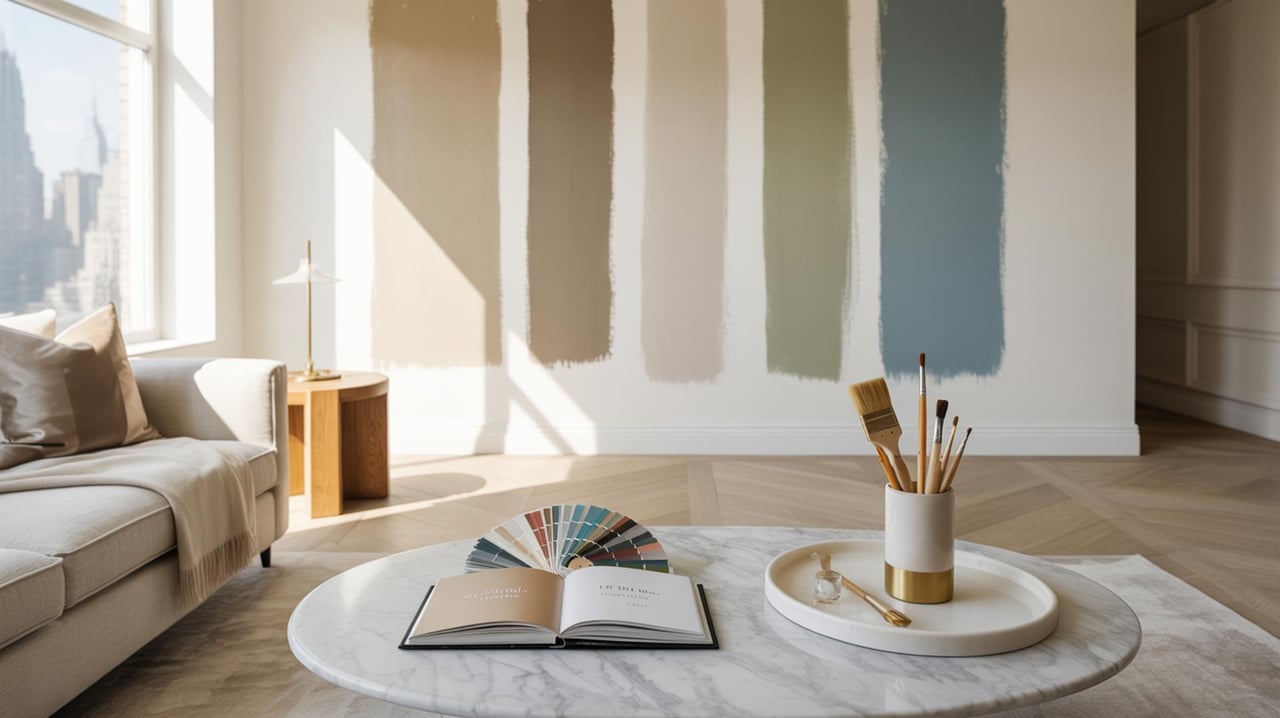
Choosing the perfect paint tones for your room involves more than just picking a color you like. It's an intricate process that combines elements of color science, personal preference, and the specific characteristics of your space. The right paint color can transform a room, affecting not only its aesthetic appeal but also the mood and atmosphere it conveys. Understanding how different colors interact with light, space, and furnishings is essential to achieving the desired effect.
Understanding Color Theory
Color theory is the foundation of selecting the perfect paint tones. It involves understanding the color wheel, which is divided into primary, secondary, and tertiary colors. Primary colors—red, blue, and yellow—are the building blocks for all other colors. Secondary colors, such as green, orange, and purple, are created by mixing primary colors. Tertiary colors are formed by combining primary and secondary colors. Knowing how these colors relate to each other can help you create harmonious color schemes. Complementary colors, which are opposite each other on the color wheel, can create a vibrant look, while analogous colors, which are next to each other, offer a more soothing effect.
The Role of Lighting
Lighting plays a crucial role in how paint colors appear in a room. Natural light can change throughout the day, affecting the way colors look. North-facing rooms tend to have cooler, softer light, which can make colors appear more muted. South-facing rooms, on the other hand, receive warmer, brighter light, which can enhance the vibrancy of colors. Artificial lighting also impacts color perception. Incandescent bulbs emit a warm light, which can make colors appear more yellow or red, while fluorescent lighting casts a cooler, bluish light. Understanding the lighting conditions in your room can help you choose a paint color that will look appealing at all times of the day.
Considering Room Size and Function
The size and function of a room should influence your paint color choice. Lighter colors can make a small room feel larger and more open, while darker colors can create a cozy, intimate atmosphere. The function of the room also matters. For example, calming colors like blues and greens are often recommended for bedrooms to promote relaxation, while more energetic colors like reds and yellows can be suitable for kitchens and dining areas. Considering how you use the room and the mood you want to create can guide your color selection process.
Testing Paint Samples
Before committing to a paint color, it's important to test samples in your room. Paint a small section of the wall and observe how the color looks at different times of the day and under various lighting conditions. This step allows you to see how the color interacts with your room’s furnishings and decor. Testing multiple shades can also help you decide between similar colors. It’s a practical way to ensure that the color you choose will meet your expectations once it’s applied to the entire room.
The Impact of Undertones
Undertones are subtle hues that can affect how a paint color appears. A color might have a blue, green, or pink undertone, which can become more apparent when paired with other colors in the room. Understanding undertones is crucial for creating a cohesive look. For instance, if your room has warm wood tones, a paint color with a cool undertone might clash. Identifying the undertones in your chosen paint color can help you avoid unexpected color clashes and ensure that all elements in the room work together harmoniously.
Coordinating with Existing Decor
When selecting a paint color, consider how it will coordinate with your existing decor. This includes furniture, flooring, and any artwork or textiles in the room. A well-coordinated color scheme can enhance the overall aesthetic of the space. If your room features bold or patterned furnishings, a neutral paint color might be the best choice to create balance. Conversely, if your decor is more subdued, a vibrant paint color can add interest and personality. Taking stock of your room’s existing elements can guide you in choosing a paint color that complements and enhances your decor.
Exploring Color Trends
While personal preference should always be the primary factor in choosing a paint color, exploring current color trends can provide inspiration and ideas. Color trends often reflect broader design movements and can introduce you to new color combinations or shades you might not have considered. However, it’s important to choose a color that you’ll be happy with in the long term, rather than simply following trends. Trends can be a great starting point for exploring new ideas, but the final decision should align with your personal taste and the specific needs of your space.
Using Color Psychology
Color psychology explores how different colors can affect mood and behavior. This can be a valuable tool when selecting paint colors for your room. For example, blue is often associated with calmness and serenity, making it a popular choice for bedrooms and bathrooms. Yellow is linked to happiness and energy, which can be ideal for kitchens or playrooms. Understanding the psychological effects of colors can help you choose a paint color that supports the desired mood and function of your room.
Balancing Bold and Neutral Colors
Achieving the right balance between bold and neutral colors is key to creating an appealing room design. Bold colors can add drama and interest, but too much can be overwhelming. Neutral colors provide a calming backdrop and can help balance out more vibrant hues. Consider using bold colors as accents—on a feature wall or in accessories—while keeping the main walls a more neutral shade. This approach allows you to incorporate color without overpowering the space, creating a harmonious and visually pleasing environment.
Seeking Professional Advice
If you’re unsure about choosing the right paint color, seeking professional advice can be beneficial. Interior designers and color consultants have expertise in color theory and can provide valuable insights into selecting the perfect paint tones for your room. They can offer guidance on color combinations, lighting considerations, and how to achieve the desired mood and atmosphere. Consulting with a professional can give you confidence in your color choices and ensure that the final result meets your expectations.
Transform Your Space with the Right Colors
Choosing the right paint colors can truly transform your living space, making it feel more inviting and personalized. By understanding the basics of color science, you can create a harmonious environment that reflects your style and enhances your mood. If you're ready to take the next step in perfecting your home's color palette, Katherine Lillydahl is here to help. Reach out today to bring your vision to life with expert guidance.