If you want a mountain home to feel like a retreat instead of a running to-do list, design choices matter more than ever in Pine Brook Hills. This foothill community offers privacy, views, and a true Boulder mountain setting, but it also comes with real planning needs tied to wildfire, weather, slopes, and part-time ownership. The good news is that a low-maintenance approach does not mean giving up character or refinement. It means making thoughtful decisions that protect your time, support long-term value, and fit how homes in this area actually function. Let’s dive in.
Why low-maintenance matters in Pine Brook Hills
Pine Brook Hills is an unincorporated mountain community just west of Boulder with about 400 homes in the Front Range foothills. Because it is unincorporated, Boulder County rules govern many property decisions rather than City of Boulder rules. The community also has a volunteer-run HOA with committees focused on architecture, Firewise efforts, forest health, and roads.
That local context shapes what smart design looks like. In Pine Brook Hills, low-maintenance living is not just about convenience. It is also about wildfire readiness, easier seasonal upkeep, and making a second home or lock-and-leave property more practical.
Boulder County notes that the home ignition zone within 100 feet of the house is a key factor in whether a structure survives wildfire. The county also emphasizes that embers can travel more than a mile. That is why the biggest wins often come from the exterior shell, immediate site conditions, and simple systems you can manage from afar.
Start with the exterior shell
If you are planning a renovation or evaluating a home to improve, the exterior shell should come first. In western Boulder County, wildfire-code requirements apply to new construction, additions, alterations, and repairs. Early verification of the parcel’s wildfire zone is an important first step before you finalize plans.
For roofs, Boulder County requires a Class A standard in this area. Acceptable roof assemblies include noncombustible or ignition-resistant materials such as metal, clay or concrete tile, slate, brick, masonry, or exposed concrete roof deck. For many buyers, this points toward durable materials that age well and reduce ongoing upkeep.
The same principle applies to details around the roofline. Gutters and downspouts must be noncombustible and kept clear of pine needles and leaves, while vents need ember-resistant screening or listed vents. Eaves, soffits, fascia, windows, skylights, and exterior doors also have fire-resistance requirements that favor durable construction and simpler detailing.
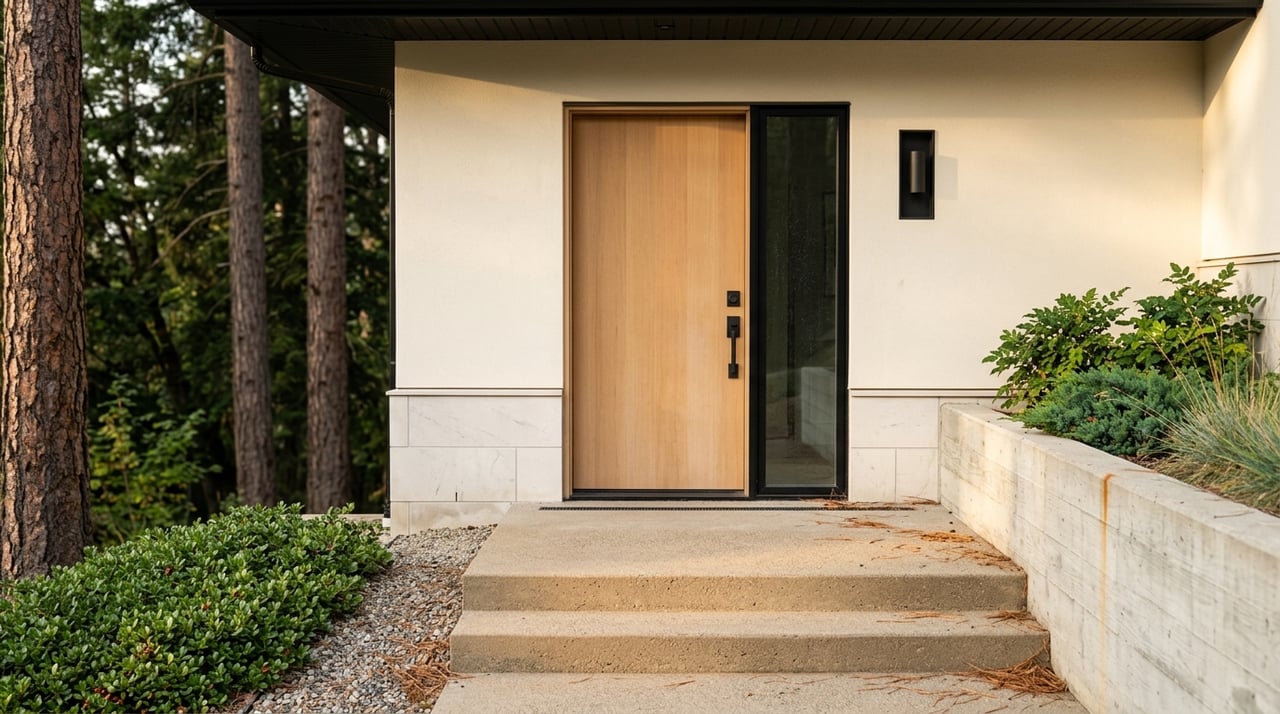
In practice, a cleaner exterior vocabulary often works best here. Fewer crevices, fewer decorative elements that collect debris, and fewer exposed combustible components can make inspection and maintenance more manageable between visits. That can also support the refined, timeless look many retreat buyers want.
Choose decks and connections carefully
Outdoor living is part of the appeal in Pine Brook Hills, but exterior features need to be planned with care. Boulder County allows metal, heavy timber, noncombustible, fire-retardant-treated, or ignition-resistant deck framing, depending on the application. Under-deck areas and low-clearance conditions matter just as much as the visible finish materials.
Low decks must be enclosed with noncombustible mesh and kept free of stored combustibles. In Wildfire Zone 1, the code also calls for a weed barrier plus gravel or crushed rock around the home and under decks. These requirements support a more streamlined exterior environment that is easier to inspect and less demanding to maintain.
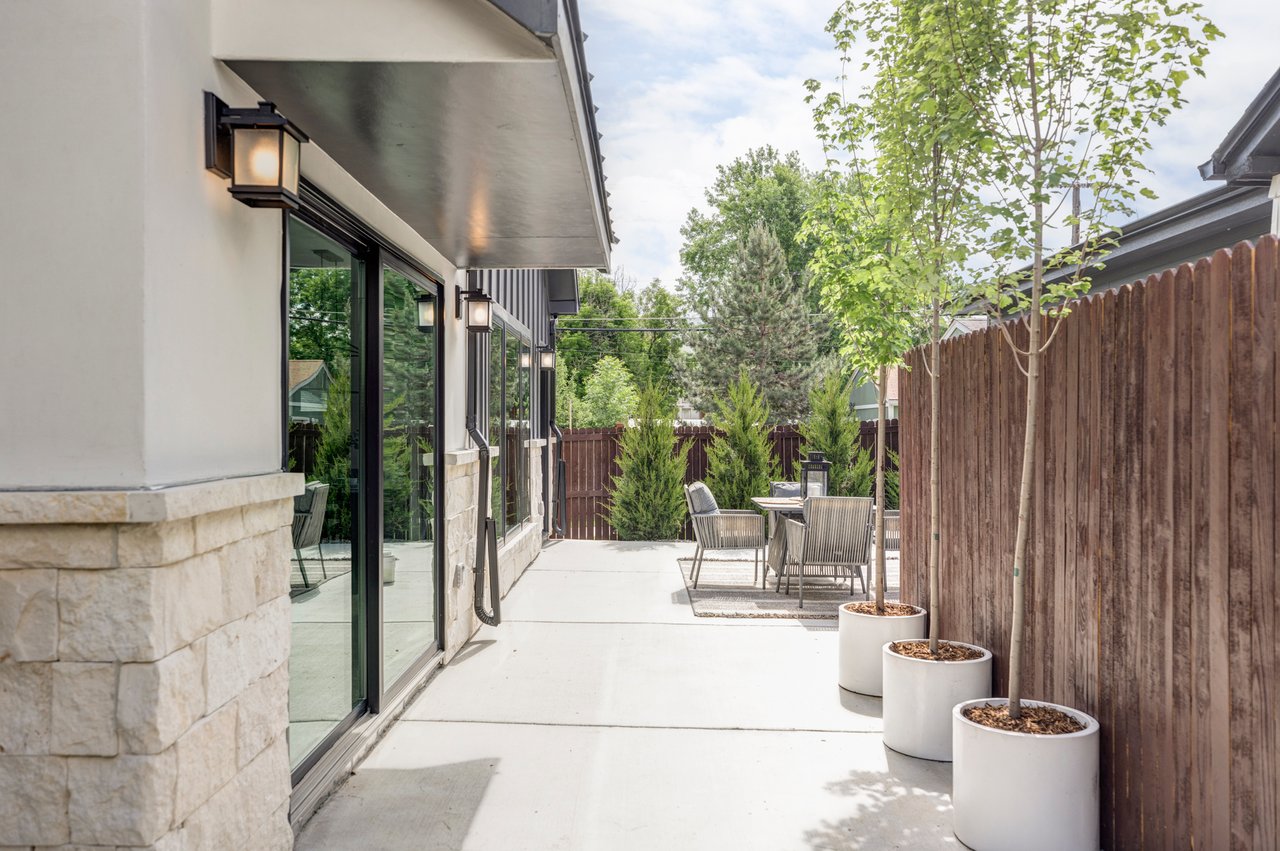
Fences and retaining walls that connect to the house also deserve attention. Boulder County requires these connected elements to be noncombustible or ignition-resistant for 5 feet beyond exterior walls. If you want outdoor spaces that feel polished without adding upkeep, connected materials and transitions should be simple, durable, and easy to clear.
Design landscaping for water, slope, and fuel reduction
Landscape problems often start with the wrong plan for the site. Colorado State University Extension notes that Colorado’s high-intensity sun, low humidity, temperature swings, wind, and difficult soils make landscapes harder to maintain even before you factor in drought. In Pine Brook Hills, a low-maintenance retreat works best when the landscape is designed for the conditions instead of against them.
That usually means focusing on water-wise planting, hydrozoning, mulch, and irrigation that does not water hardscape. It also means limiting high-maintenance turf and using durable ground-plane materials where appropriate. A restrained plant palette is often easier for both an owner and a caretaker to manage.
For sloped or clay-heavy areas, CSU recommends cycle-and-soak irrigation to reduce runoff. The same guidance notes that newly planted trees need priority watering while they establish. If you are not at the property full time, that supports a landscape plan with fewer high-demand plantings and a system that can be monitored and adjusted without constant site visits.
Prioritize the home ignition zone
If you only focus on one area, focus on the zone closest to the house. Boulder County stresses that conditions within 100 feet of the structure are central to wildfire survivability. In practical terms, that means your highest-return design work is often not decorative. It is strategic.
A well-planned ignition zone may include gravel or crushed rock near the home, reduced combustible clutter, cleaner transitions at decks and walls, and easier access for seasonal cleanup. These choices can also make the property feel calmer and more intentional, especially when paired with natural-looking materials and a restrained design palette.
This is where good design and good stewardship often align. A mountain home can still feel warm and elevated without relying on layered exterior complexity that is harder to maintain. In Pine Brook Hills, simplicity is often the more resilient luxury.
Add smart systems for lock-and-leave use
For many second-home owners, the best low-maintenance upgrade is not visible at all. It is a set of systems that helps the house operate safely and efficiently when you are away. In a mountain setting, remote awareness matters.
ENERGY STAR certified smart thermostats can be controlled remotely, use geofencing, and adjust to away schedules. That can help reduce energy waste and make temperature management more predictable between visits. For owners who split time between homes, it is one of the clearest practical upgrades.
Water monitoring is just as important. EPA leak-detection guidance explains that flow-monitoring systems can detect irregular water use or pressure changes, notify the homeowner, and in some cases activate a shutoff valve. For a retreat property, that can reduce the risk of unnoticed water damage and add peace of mind.
Smart irrigation also deserves a place on the shortlist. EPA WaterSense says weather-based irrigation controllers tailor schedules to local weather and landscape conditions, and WaterSense labeled controllers can save an average home up to 15,000 gallons of water annually. EPA also estimates that replacing a standard clock controller with a weather-based controller can save nearly 7,600 gallons per year.
Treat connectivity as part of the home
In Pine Brook Hills, connectivity is not just a lifestyle perk. It supports safety and daily operations. The community emergency plan tells residents to register for urgent notifications, download evacuation maps to their devices, and use local emergency information resources when needed.
For part-time owners, that makes internet and device access part of the property’s practical infrastructure. Remote thermostat control, leak alerts, and emergency notifications all depend on reliable connectivity and a setup you can manage off-site. If you are comparing homes or planning upgrades, this deserves early attention.
Verify approvals before you renovate
A well-designed mountain retreat should feel effortless, but getting there requires up-front diligence. Pine Brook Hills has an Architectural Review Committee, covenants, and community standards. Exterior changes such as roofs, decks, fences, and finishes should be coordinated with HOA review as well as Boulder County permit and wildfire requirements.
That is especially important in a setting where design, safety, and long-term value are closely connected. Before starting work, buyers should verify the parcel wildfire zone, review applicable covenants, and understand the local approval path. Those steps can help you avoid costly redesigns and protect the integrity of the finished project.
If future flexibility is part of your thinking, there is one more point to keep in mind. Boulder County requires a local license for short-term or vacation rental use in unincorporated county areas. It may not shape every design decision, but it is worth understanding early if the property could serve more than one purpose over time.
What a refined low-maintenance retreat looks like
The best Pine Brook Hills retreat is not the one with the most features. It is the one where materials, systems, and site planning work together with the mountain setting. That usually means durable exterior assemblies, code-aware landscape planning, and remote systems that support part-time ownership.
It also means knowing where to simplify. A timeless mountain home can still feel deeply personal and beautifully resolved while using materials and details that are easier to inspect, clean, and maintain. In many cases, that discipline is what protects both your enjoyment of the property and its long-term resilience.
If you are considering a purchase or planning improvements in Pine Brook Hills, a careful design lens can help you avoid expensive missteps. The right approach balances character, usability, and local realities from the start.
If you are evaluating a mountain property or thinking through renovation potential, Katherine Lillydahl offers thoughtful guidance shaped by design fluency, development experience, and disciplined real estate strategy.
FAQs
What matters most when designing a low-maintenance home in Pine Brook Hills?
- The highest-impact priorities are the exterior shell and the home ignition zone within 100 feet of the house, because Boulder County identifies those conditions as central to wildfire survivability.
What should Pine Brook Hills buyers verify before renovating a home?
- You should verify the parcel’s wildfire zone, review Pine Brook Hills HOA covenants and Architectural Review requirements, and confirm Boulder County permitting and wildfire-code rules before finalizing plans.
What exterior materials support low-maintenance design in Pine Brook Hills?
- Boulder County requires Class A roofing in western Boulder County and favors noncombustible or ignition-resistant assemblies, along with noncombustible gutters, ember-resistant vents, and durable exterior components.
How should landscaping be planned for a Pine Brook Hills retreat?
- A practical approach uses water-wise planting, hydrozoning, mulch, limited turf, and irrigation designed for local sun, wind, slopes, and soil conditions.
What smart-home features help with lock-and-leave ownership in Pine Brook Hills?
- Remote thermostats, flow-monitoring leak detection, and weather-based irrigation controllers are some of the most useful upgrades for reducing risk, waste, and maintenance while you are away.