Wondering how to make the most of a South Boulder home’s sunlight without turning every afternoon into a glare problem? In this part of Boulder, bright days and foothill views are some of the biggest assets a property can offer, but they work best when the home is designed to handle both with intention. If you are buying, renovating, or preparing to sell, understanding how sun, shade, and sightlines work together can help you protect comfort and long-term value. Let’s dive in.
Why South Boulder light matters
South Boulder’s climate gives you a strong design starting point. According to the City of Boulder’s climate documentation, Boulder County averages about 245 days of sunshine each year, with dry winters, windy springs, and summer temperatures that often reach the upper 90s.
That combination means natural light is usually abundant, but so are heat gain and glare if a home is not well calibrated. In practical terms, the best South Boulder homes feel bright and open while still giving you control over comfort throughout the day and across the seasons.
Views should guide the design
In South Boulder, the setting is part of the home experience. The City of Boulder’s South Boulder Creek trail page highlights the area’s mountain scenery and south-facing views of the Flatirons, Green Mountain, and Bear Peak.
That is why the strongest design approach is rarely about adding more square footage. It is about framing what is already there. When a room, patio, or primary seating area is oriented toward daylight and foothill views, the home often feels more expansive, grounded, and connected to place.
Use window orientation strategically
South-facing windows work hard
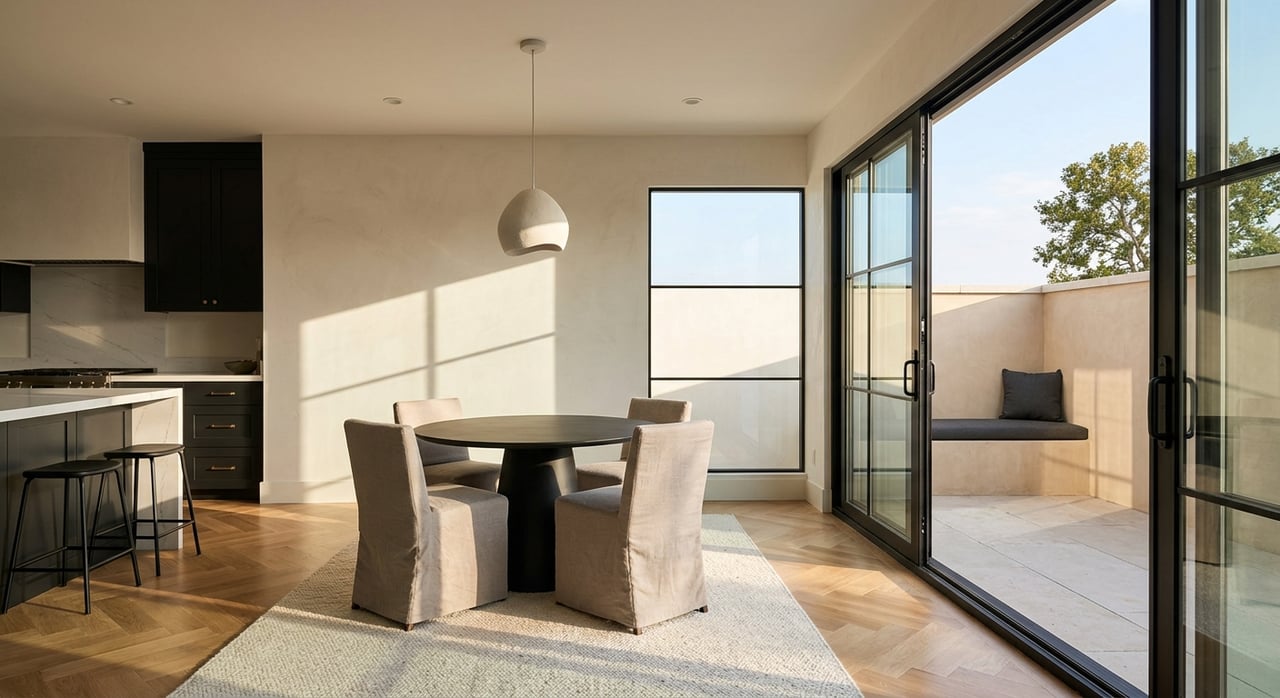
The U.S. Department of Energy explains that south-facing windows can bring in the most winter sunlight while admitting relatively little direct summer sun when properly shaded. In a South Boulder home, that makes south-facing exposure especially valuable for living rooms, kitchens, and other everyday gathering spaces.
If you are evaluating a home, pay attention to where you naturally want to spend time during the day. The most successful layouts often place key living zones where they can benefit from strong daylight and broad views without feeling overexposed.
West-facing windows need more control
East- and west-facing windows tend to be more challenging because they can create stronger glare and unwanted heat gain, especially in summer, according to the DOE’s daylighting guidance. In South Boulder, west light can be beautiful, but it often needs more management than buyers expect.
That does not mean west-facing windows are a flaw. It means they perform best when paired with the right shade strategy, furnishings, and materials so the room still feels calm in late afternoon.
Balance daylight with comfort
A bright room is only an asset if it is comfortable to live in. The DOE notes that window performance ratings and shading tools play a major role in controlling glare and solar heat gain.
For many South Boulder homes, the most effective updates are not dramatic. They are thoughtful layers that preserve the light while softening its harshest effects.
Smart ways to soften glare
Consider these practical options:
- Insulated cellular shades for better temperature control
- Blinds or draperies to filter stronger afternoon sun
- Awnings on exposures that receive intense summer light
- Light-colored ceilings that help diffuse daylight with less glare
This kind of layered approach supports what the DOE describes as a balanced daylighting strategy: maximize the benefits of natural light, then add enough control to keep rooms from feeling washed out or too warm.
Think in passive solar terms
You do not need to be building a custom home to benefit from passive solar thinking. The DOE explains that passive solar design uses a home’s site, climate, and materials to collect and retain heat more efficiently.
In South Boulder, that framework is useful because it rewards homes that already have the right fundamentals. If a property has strong southern exposure, good view orientation, and materials that help moderate temperature, it often offers better long-term flexibility for renovation and resale.
Materials that support a calm, sunlit interior
The best interiors in a bright foothills setting tend to feel grounded rather than reflective. DOE guidance on passive solar homes points to materials like concrete, brick, stone, and tile as common thermal-mass elements, and those same materials also help visually anchor sunny rooms.
If you want a timeless look, focus on finishes that absorb and diffuse light gracefully. Matte paint, natural wood, stone, and tile usually age better in bright conditions than highly glossy surfaces that can amplify glare.
Design interiors around the view
When a home has foothill views, the scenery should remain the focal point. In South Boulder, that often means quieter upholstery, restrained drapery, and natural textures that add depth without competing for attention.
A good palette here tends to feel warm, soft-edged, and low-glare. Instead of pushing bold finishes across every surface, it is often more effective to keep the larger elements calm and let smaller accents carry contrast and personality.
Finishes that tend to work well
For a timeless, view-oriented interior, look for:
- Wood tones that add warmth without heaviness
- Stone or tile with a matte or honed finish
- Soft wall colors that reflect light gently
- Upholstery in quiet, natural shades
- Layered texture rather than high-shine contrast
This is one of the simplest ways to make a home feel more refined. The room supports the landscape instead of fighting it.
Shape outdoor rooms for sun and scenery
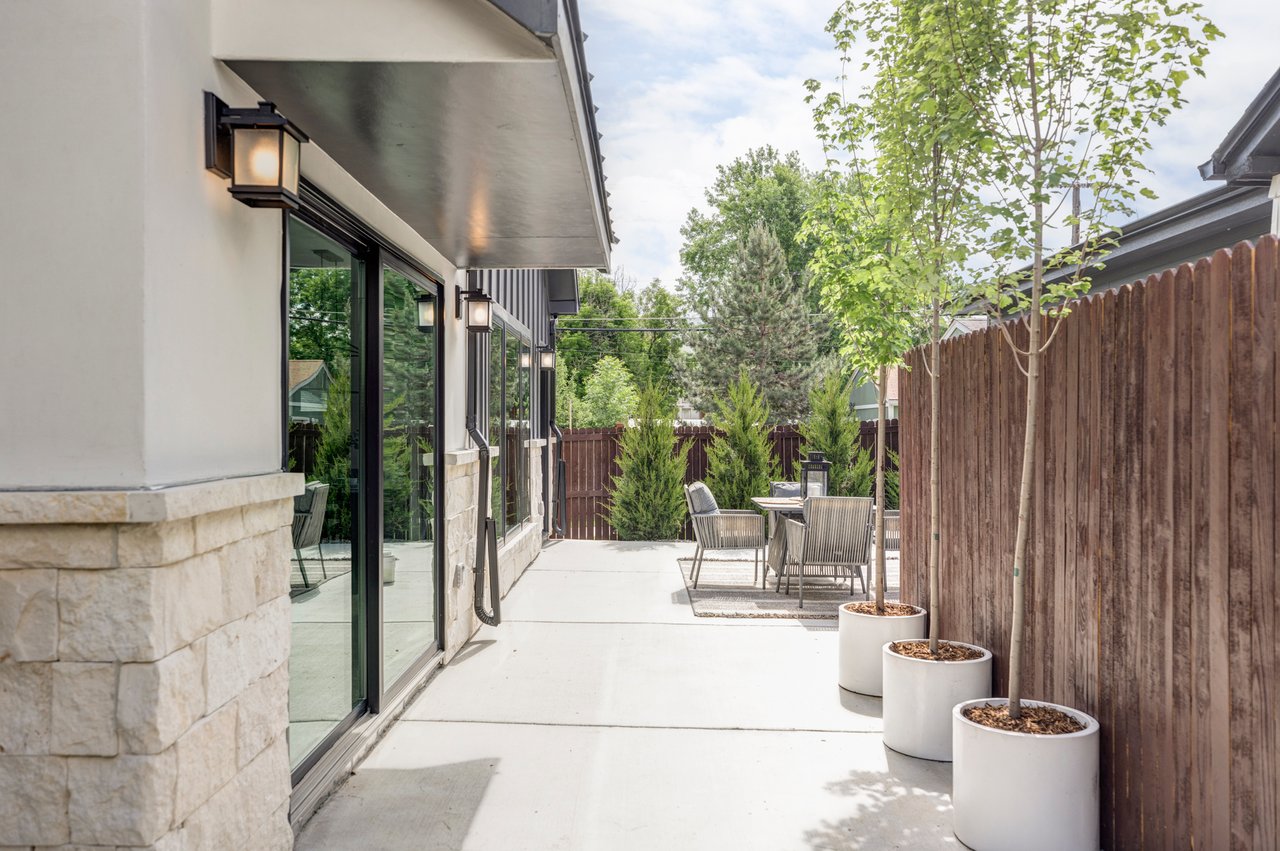
Outdoor living matters in South Boulder, but it works best when it feels comfortable in full sun. Boulder’s climate-resilient landscape guidance notes that trees help cool outdoor areas by providing shade and releasing moisture, while low-vegetation and more paved surfaces can be significantly hotter.
That supports a practical strategy for South Boulder homes: keep important view corridors open near the house, but build in selective shade where people actually gather. A patio can still feel visually open to the foothills without being fully exposed all afternoon.
Outdoor features that improve comfort
Useful outdoor design elements may include:
- Partly shaded patios, porches, or decks
- Shade structures near seating or dining areas
- Trees placed to cool key exposures without blocking major views
- Planting layers that soften hardscape and reduce reflected heat
The goal is not to close off the landscape. It is to create a transition zone between the house and the scenery that feels livable through more of the year.
Choose waterwise planting
South Boulder’s climate calls for landscaping that can handle sun, wind, and dry conditions. The City of Boulder’s water conservation resources point homeowners toward waterwise planting, and Colorado State University Extension notes that native plants are adapted to Colorado conditions and can reduce water and fertilizer needs when properly sited.
For many properties, that means reducing large turf areas and leaning into layered planting with a more natural structure. In design terms, waterwise does not have to mean sparse. It can still feel polished, architectural, and intentional.
Keep long-term plant health in mind
Boulder’s tree planting and care guidance notes that trees on sunny, dry, wind-exposed south or west sides can be vulnerable to winter drying, and mulch can help regulate soil temperature and moisture.
That matters if your landscape is doing more than decorating the lot. In South Boulder, trees and planting often help shape shade, privacy, and view framing, so choosing and placing them carefully supports both comfort and long-term visual appeal.
What buyers should notice
If you are shopping for a South Boulder home, pay close attention to orientation before focusing on cosmetic details. A house with strong south light, manageable west exposure, and a clear relationship to the foothills may offer better renovation potential because its site advantages are already in place.
Look at how the main rooms sit on the lot, where the views open up, and whether sunlight feels pleasant or overwhelming at different times of day. These fundamentals are hard to change later, and they often matter more than finishes that can be updated.
What sellers and homeowners can improve
If you already own a home in South Boulder, some of the highest-impact improvements are straightforward. Better window coverings, added exterior shade, more waterwise planting, and lower-glare interior finishes can all improve daily living while making the property show more thoughtfully.
For sellers especially, these changes can help buyers understand the home’s strengths immediately. A property that feels bright, composed, and connected to its setting often reads as more valuable because the design feels resolved.
If you are weighing a purchase, renovation, or sale in Boulder, working with an advisor who understands both design restraint and value protection can make those decisions much clearer. For a tailored conversation about South Boulder homes and thoughtful positioning, connect with Katherine Lillydahl.
FAQs
How do you keep a sunny South Boulder home bright without making it hot?
- Use south-facing light to your advantage, then control stronger west sun with layered shading such as cellular shades, blinds, awnings, and well-placed deciduous trees, as supported by DOE guidance.
What landscape style fits South Boulder homes best?
- A waterwise, native-leaning landscape is often the best fit because it aligns with South Boulder’s dry, sunny climate and supports long-term comfort, resilience, and view-focused design.
What interior finishes work best in a South Boulder view home?
- Natural, low-glare finishes such as wood, stone, tile, matte paint, and quiet textiles tend to work best because they soften bright light and keep the foothill views as the focal point.
What should buyers look for in South Boulder home orientation?
- Focus on where the main living spaces sit, how the home captures south light, how it manages west exposure, and whether the layout has a strong visual connection to the foothills.
What are the easiest updates for a South Boulder home with too much glare?
- Start with better window coverings, exterior shade where possible, lighter ceilings that diffuse daylight, and finishes or furnishings that reduce reflectivity without darkening the room.