Some LoHi homes seem to fly off the market while others linger for months. If you’re buying or selling at the luxury level, that split can feel confusing. You want clear signals on pricing, timing, and what actually moves value. This snapshot breaks down the neighborhood’s micro-trends so you can set the right strategy with confidence. Let’s dive in.
What the portals say right now
Realtor.com, using a LoHi boundary and data through December 2025, reports a median home price of $884,500, a median 104 days on market, and an average sale-to-list ratio of 98%. That suggests buyers negotiated about 2% off asking on average in that period.
Redfin’s Highland neighborhood page, which covers a broader area than some LoHi maps, shows a $700,000 median sale price in January 2026, roughly 48 days on market, and a sale-to-list ratio near 97%. The difference comes from boundary definitions, timing, and a small number of monthly sales.
The takeaway for you: LoHi is a small, high-value micro-market. When you compare numbers, note the portal, the boundary, and the exact month. A few luxury closings can swing the median or days on market more than you might expect.
How to read the split
- Always pair the figure with the source and month. For example, “Realtor.com, Dec 2025” or “Redfin, Jan 2026.”
- Expect noise month to month. Use a 3-, 6-, and 12-month view to see the true direction.
- Compare like with like. Detached single-family homes and attached townhomes/condos perform differently.
Micro-trends shaping outcomes
Sale-to-list and negotiation power
With sale-to-list ratios in the high 90s across late 2025 and early 2026, LoHi feels balanced. Well-prepared listings still command near-ask results, while properties that miss on finish quality, outdoor space, or parking see more negotiation. If you’re selling, the path to a strong outcome is preparation and precise pricing. If you’re buying, clean terms can win the day, but there is room to negotiate when a home is not clearly superior.
Days on market varies by product
Realtor.com’s LoHi snapshot shows a higher median days on market than Redfin’s Highland view. That gap reflects different boundaries, different product mixes, and small sample sizes. In practice, modern attached townhomes with roof decks and views often attract faster interest than older or less-finished homes, but trophy-level unique properties can also take longer as buyers evaluate design, appraisal support, and fit.
Inventory and product mix matter more here
LoHi has more attached townhomes and recent infill than many Denver neighborhoods. That means two markets operate side by side. Attached units often compete on design, rooftop living, and proximity to dining, whereas detached homes compete on privacy and outdoor space. Understanding which features your segment values most is essential before you set price or write an offer.
Seasonality and momentum
Inventory across the country has improved from pandemic lows, and selling times have generally lengthened compared to the frenzy years. Locally, spring often brings more listings and more buyers, but high-quality LoHi homes can trade well at any time with the right preparation and marketing. Watch active inventory and recent pendings to gauge near-term momentum.
What this means for sellers
Price with precision
- Anchor your strategy to recent comparable sales from the last 3 to 6 months. If volume is sparse, extend to 12 months with clear adjustments.
- When citing neighborhood medians, always include the portal and period so expectations are set correctly.
- Use rolling medians to smooth out noise from one-off luxury sales.
Invest where buyers notice
- Target high-impact, visible upgrades backed by the 2025 NAR Remodeling Impact Report, which shows many modest exterior and condition-focused projects deliver strong buyer response and solid cost recovery. Review the full report for project-by-project insights: NAR Remodeling Impact Report.
- In LoHi, well-executed outdoor living stands out. National Cost vs. Value studies also show decks, patios, and curb-appeal improvements tend to recoup a meaningful share of cost when matched to the property and market. See regional ranges in Remodeling’s Cost vs. Value.
- Document every improvement with a concise upgrade list and invoices. This helps buyers and supports appraisal.
Market what matters in LoHi
- Lead with roof decks, terraces, and any city or mountain views. Highlight indoor-outdoor flow, parking solutions, and turnkey finishes.
- Use professional photography that captures outdoor spaces at the right time of day and clearly shows sightlines and light.
Prepare for appraisal on unique homes
- Ultra-custom properties can challenge appraisals because comparable sales are limited. Work with your advisor to assemble a comp packet that includes recent closings, relevant pendings, actives, and your upgrade summary. For context on how appraisers approach unique properties, review appraisal underwriting guidance.
What this means for buyers
Win with clean, confident terms
- In a balanced LoHi market, a strong pre-approval and proof of funds still set you apart. Focus on clean contingencies and swift timelines for desirable listings.
- Expect near-ask pricing for well-finished properties with outdoor amenities. Homes that lack standout features may offer price or credit opportunities.
Underwrite the appraisal risk
- For distinct or top-of-market properties, ask your advisor to preview comps and prepare an appraisal strategy before you sign. Understand whether older or out-of-neighborhood comparables might be necessary. See the appraisal underwriting guidance for how unique homes are evaluated.
Time your move to inventory
- Spring often brings more options and activity, but watch LoHi’s live inventory and pendings in real time. A high-quality listing presented well can be worth moving on immediately, regardless of season.
Features that move value in LoHi
In LoHi, buyers often trade lot size for walkability, design, and views. That makes certain features decisive:
- Turnkey design quality. Thoughtful, “quiet luxury” finishes and quality craftsmanship resonate with today’s luxury buyer more than flashy but low-quality add-ons. For broader perspective on current luxury preferences, see the Institute for Luxury Home Marketing’s insights.
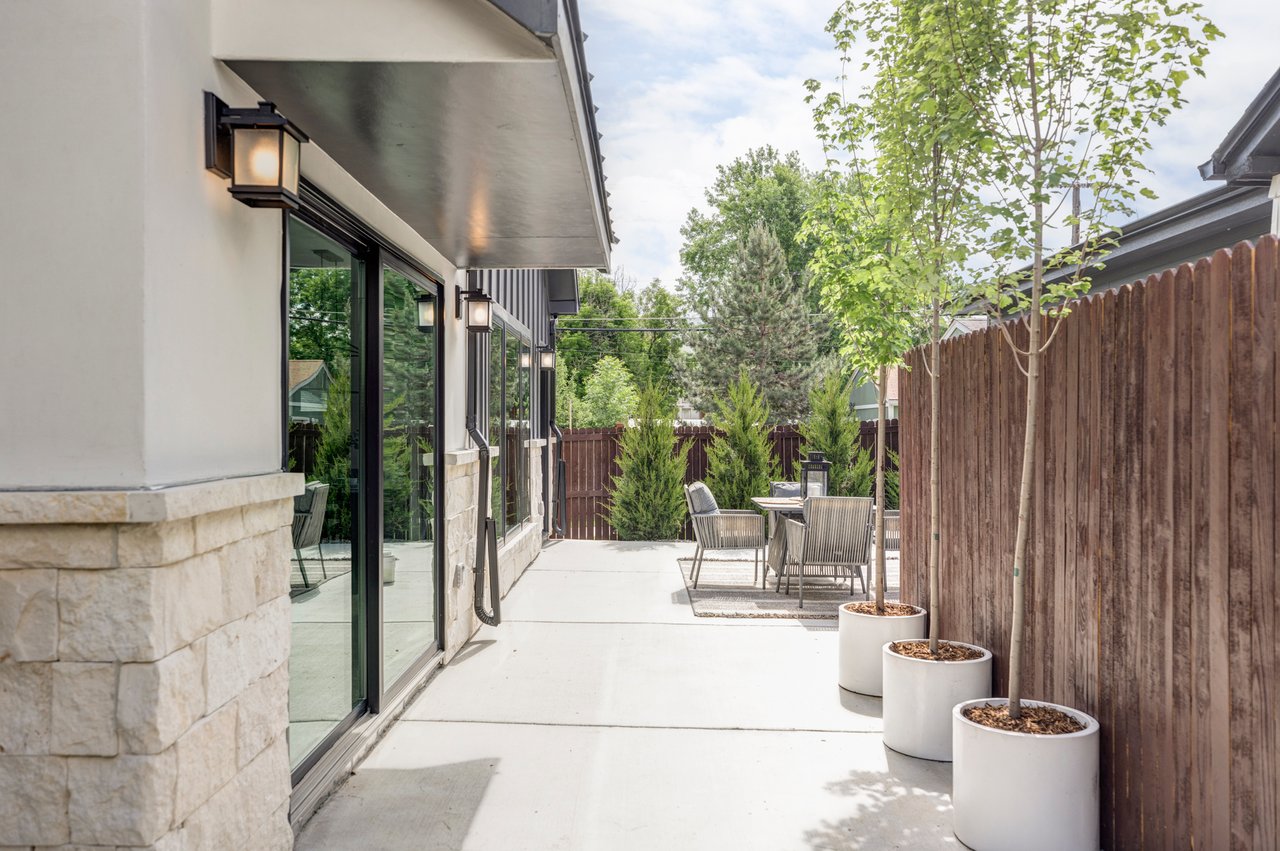
- Indoor-outdoor flow. Roof decks, terraces, and functional patios with privacy features and low-maintenance planting elevate day-to-day enjoyment and showing appeal.
- Parking and access. Secure garages or well-sited off-street options reduce friction in an urban setting.
- Condition and curb appeal. NAR’s 2025 report highlights that many buyers are less willing to compromise on condition than in prior years. Strategic, visible updates can compress days on market and protect price. Explore the NAR Remodeling Impact Report and Cost vs. Value to prioritize scope.
Seller prep priorities checklist
- Refresh paint in a cohesive, neutral palette and tune lighting for warmth and clarity.
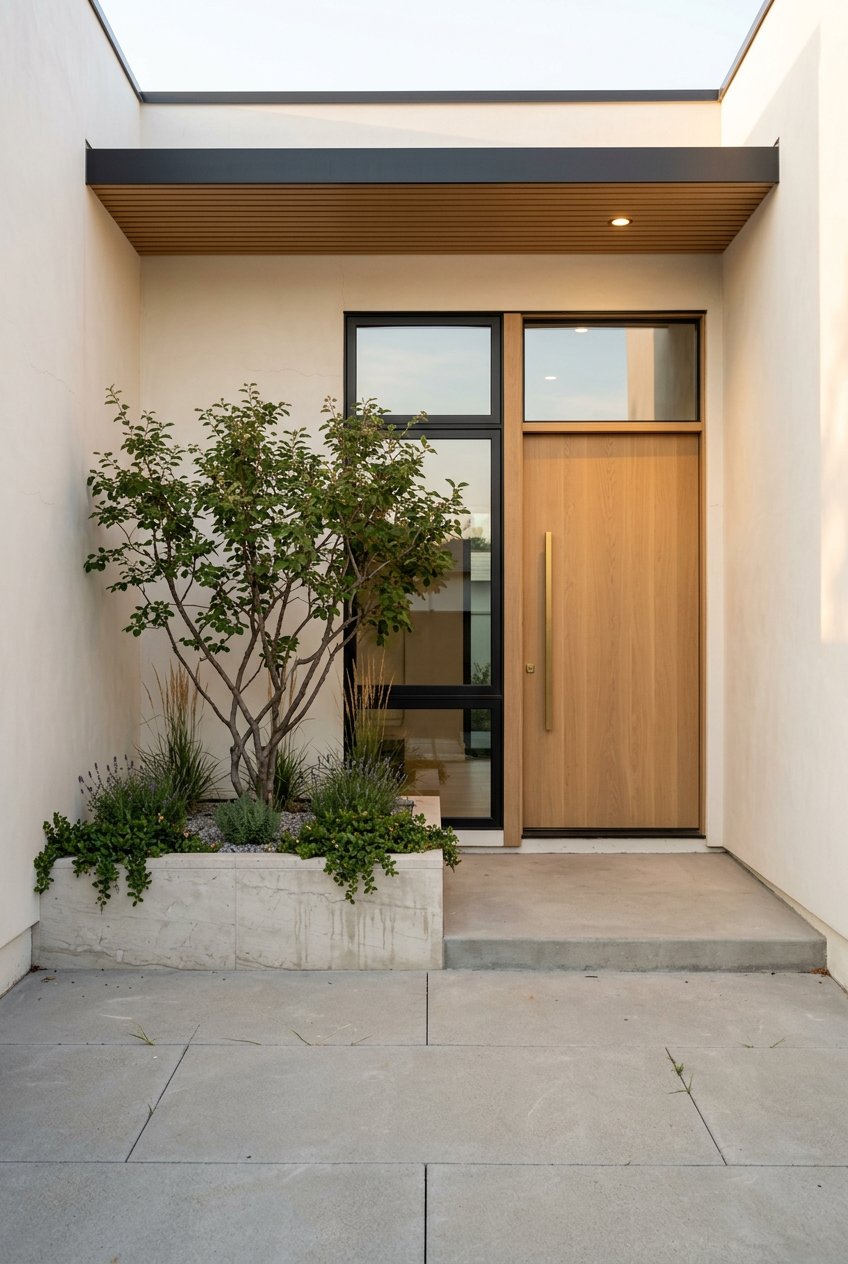
- Upgrade the front door, hardware, and house numbers to sharpen first impressions.
- Execute a minor kitchen refresh if needed: hardware, lighting, faucet, and a targeted appliance swap can go far.
- Tune up outdoor areas: power wash, re-stain roof deck boards if applicable, add planters, and stage a seating vignette.
- Optimize storage: adjust pantry and closet systems to show order and capacity.
- Service HVAC, clean windows, and address minor repairs before photos.
- Compile a one-page upgrade list with dates and costs to share with buyers and appraisers.
Buyer evaluation checklist
- Price the upgrades you would want immediately and subtract them from your offer logic.
- Value roof decks and terraces based on usable size, privacy, sunlight, and view quality.
- Confirm parking type and access. Understand HOA rules if attached.
- Prioritize condition. Turnkey homes may cost more upfront but can be cheaper in total when you avoid near-term renovations.
Reading the numbers like a pro
- Name the source and month. “Realtor.com, Dec 2025” and “Redfin, Jan 2026” are both correct in context because they use different boundaries.
- Use 3-, 6-, and 12-month rolling views to smooth small-sample noise.
- Split segments. Compare attached vs. detached rather than blending them.
- Track actives and pendings alongside solds to see near-term direction.
- For unique or top-end properties, partner early on an appraisal strategy and comp support.
If you want a tailored, design-savvy plan to buy or sell in LoHi, connect with Katherine Lillydahl for a private consultation and a complimentary home valuation.
FAQs
What are today’s headline LoHi numbers for buyers and sellers?
- Realtor.com (LoHi boundary, Dec 2025) shows a median price of $884,500, 104 median days on market, and a 98% sale-to-list ratio; Redfin (broader Highland, Jan 2026) shows $700,000, ~48 days, and ~97%.
How negotiable are LoHi luxury listings right now?
- Sale-to-list ratios in the high 90s indicate a balanced market; standout, well-prepared homes sell near ask, while homes lacking finish or outdoor features often see price or credit flexibility.
Do roof decks and outdoor spaces really add value in LoHi?
- Yes. In a walkable, urban setting, roof decks, terraces, and indoor-outdoor flow are high-impact features, supported by Cost vs. Value trends showing strong returns for well-executed outdoor projects.
Which pre-listing upgrades pay off most for LoHi sellers?
- NAR’s 2025 report highlights modest, visible projects like front door updates, paint, minor kitchen refreshes, and storage improvements, plus outdoor tune-ups that improve showing appeal.
How should I prepare for appraisal on a unique luxury home?
- Assemble a comp packet with recent sales, relevant pendings and actives, plus a dated upgrade list; review appraisal guidance on unique properties and align price strategy accordingly.