If you are selling an acreage home in Paragon Estates, you are not just listing square footage. You are presenting land, utility, views, access, and a long list of details that buyers will notice quickly. The good news is that with the right preparation, you can make those details work in your favor and reduce surprises during due diligence. Let’s dive in.
Why Paragon Estates acreage homes stand apart
Paragon Estates is an unincorporated Boulder County area, so Boulder County zoning often shapes how parcels are used and reviewed. Public data points to a small-acreage, view-oriented market, with many parcels falling roughly in the 1 to 2 acre range, though some listings have ranged from about 0.99 to 5.3 acres.
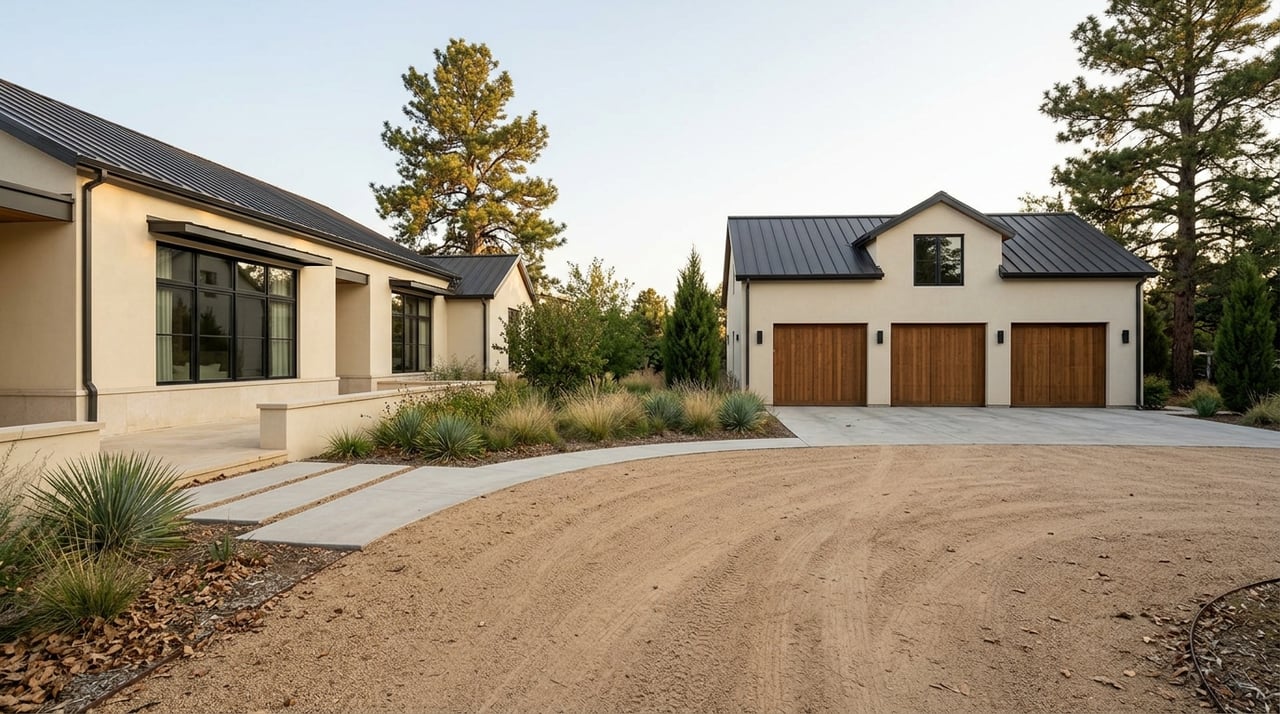
That matters because buyers in this micro-market often care about more than the house itself. They want to understand privacy, mountain or Flatirons views, usable outdoor space, drive access, and whether site features like outbuildings or horse allowances are actually functional and properly supported by the property.
In other words, your acreage is part of the product. If the lot is difficult to read, poorly maintained, or missing records, buyers may hesitate even if the home shows well inside.
Price the property around usable value
Acreage pricing is rarely as simple as assigning a premium for more land. Appraisal guidance emphasizes site size, topography, shape, and view, but it also notes that small lot-size differences may not justify meaningful adjustments when properties already fall within a typical range.
For Paragon Estates, that means the market may respond more strongly to usable acreage than to raw acreage. A parcel with clear flat areas, functional outdoor living space, and strong view corridors may compete better than a larger lot with limited practical use.
Public assessor sales on Paragon Drive show similar lot sizes paired with noticeably different sale prices. That pattern suggests buyers and appraisers are weighing condition, view, privacy, lot utility, and improvements, not just total land area.
Make the site easy to understand
One of the smartest things you can do before listing is make the property legible. Buyers should be able to quickly see where the lot boundaries are, how the driveway works, which areas are flat or usable, and how outdoor improvements fit into the site.
This is especially helpful because appraisal standards call for measurable site characteristics. If your lot’s strengths are not obvious in photos, maps, or showing materials, you risk leaving value open to interpretation.
A strong pre-listing package may include:
- A survey or parcel map
- Clear identification of lot boundaries
- Notes on usable flat areas
- Drive access details
- A simple summary of outdoor improvements that will convey with the sale
Prepare outbuildings and exterior features carefully
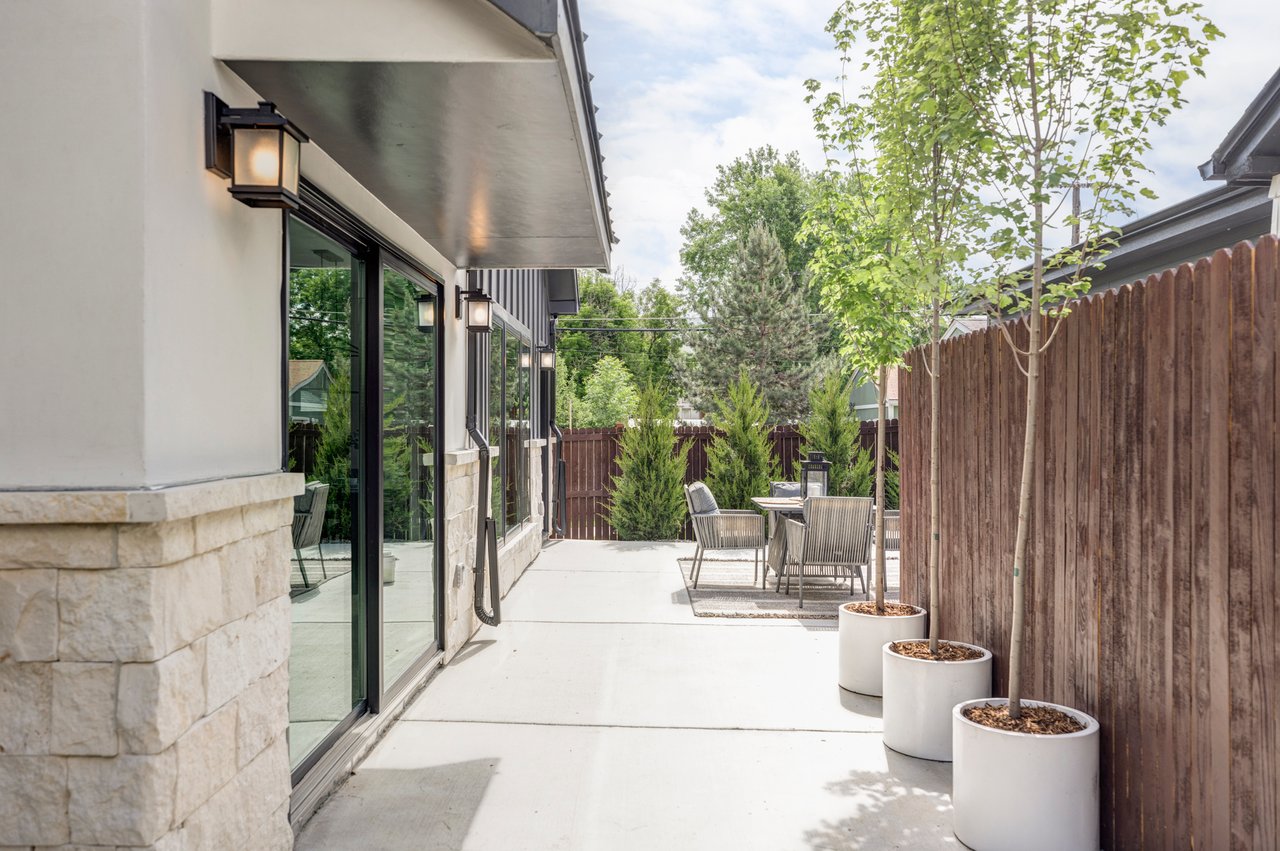
On acreage properties, detached features often carry real value, but they can also raise extra questions. Sheds, detached garages, barns, dog runs, patios, decks, and wood storage all contribute to a buyer’s impression of how the property lives and how much work it may require.
Boulder wildfire assessment guidance specifically flags outbuildings, wood fences attached to the house, and combustible vegetation within 5 feet of a structure as ignition-risk factors. That means exterior cleanup is not just cosmetic. It can shape how buyers evaluate risk and future maintenance.
Before photography and showings, it helps to:
- Clean and organize sheds and detached structures
- Remove or neatly stage firewood storage
- Trim vegetation near structures
- Check separation between combustible materials and the home
- Photograph exterior improvements in a way that shows condition and function
If you have added a deck, porch, shed, or other accessory structure, it is also worth confirming whether Boulder County wildfire requirements applied. The county requires defensible space for some accessory structures over 120 square feet or those within 50 feet of habitable space, along with a noncombustible perimeter within three feet of the house and under decks.
Tidy the land before buyers see it
Acreage homes can feel harder to prepare because there is simply more ground to manage. Still, visible site maintenance matters in Paragon Estates, especially since many parcels are relatively modest acreage by Boulder County standards.
Boulder County says properties 2.5 acres or smaller must be maintained in harmony with neighborhood aesthetics. That includes keeping grasses, shrubs, and brush under 9 inches, while outdoor storage must be customary, incidental, limited, and screened.
That makes pre-list work especially important. Focus on the items buyers can see immediately:
- Mow and trim overgrown areas
- Control weeds and brush
- Remove leftover building materials
- Screen or remove outdoor storage
- Address rubbish or inoperable vehicles
Because county code enforcement is complaint-driven, some sellers assume these items do not matter unless a formal issue exists. In practice, buyers often treat visible weeds, junk, and storage conditions as red flags during showings and inspections.
Organize septic, well, and permit records early
The fastest way to lose momentum on an acreage sale is to wait too long on due diligence records. In unincorporated Boulder County, buyers often ask direct questions about wastewater systems, wells, site work, and permit history.
If the home has an onsite wastewater treatment system, Boulder County Public Health generally requires an inspection and any needed repairs before closing, unless the system was fully installed and approved less than five years before the sale. Sellers should gather permit records, final approval, inspection reports, and pumping records before listing.
If the property uses a private well, build a separate file. Boulder County notes that private wells are not regulated, treated, or monitored by public health officials, while the Colorado Division of Water Resources regulates well construction and permitting.
For well properties, buyers often want:
- The well permit
- Pump records
- Recent water-quality testing, if available
- Any maintenance or service history you have on hand
Permits for access and site work also matter. If your property includes a driveway connection to a county road, a culvert, or notable grading work, it is wise to verify records before the home hits the market. Boulder County issues access permits for private access to county roads, and grading over 50 cubic yards requires permit review.
Get ahead of disclosure issues
Colorado disclosure expectations are broad, and acreage homes naturally create more disclosure categories than a typical in-town lot. The Colorado Real Estate Commission seller disclosure form covers known adverse material facts such as structural defects, soil conditions, zoning or building law violations, and nonconforming uses or variances.
For a Paragon Estates property, that may include issues tied to slope, drainage, septic, wells, easements, wildfire mitigation, or unpermitted structures. Even if a feature seems minor, it is better to review it before listing than to have it surface late in the transaction.
If your parcel has unusual features, a zoning compliance verification letter may be helpful. Boulder County says this type of letter can confirm current zoning, prior reviews and permits, and unresolved complaints.
That can be especially useful when a property has:
- Detached shops or garages
- Outdoor storage areas
- Prior site work
- Accessory structures added over time
- Questions about permitted use
Address radon before it becomes a negotiation point
Radon belongs in the pre-list conversation for Colorado homes, and acreage properties are no exception. The Colorado Department of Public Health and Environment says radon is common throughout the state, and about half of Colorado homes exceed the EPA action level of 4.0 pCi/L.
A recent radon test or mitigation documentation can make your due diligence file feel more complete. It also helps reduce buyer uncertainty, which can be valuable when you are already asking them to evaluate land, systems, and exterior improvements.
Anticipate the questions buyers will ask
Buyers considering acreage in Paragon Estates tend to ask practical, property-specific questions. The more clearly you answer them up front, the more confidence you build.
Expect questions like:
- Is the septic system inspected and ready for transfer?
- If there is a well, what is the water quality history?
- Have wildfire mitigation steps been completed?
- Were the driveway, culvert, grading, shed, or detached garage properly permitted?
- How much of the acreage is actually usable?
- Are the views and outdoor spaces likely to remain meaningful to the property’s value?
A well-prepared seller package can help answer these questions before they become objections. It also gives appraisers and buyers a clearer framework for understanding what makes your property distinct.
Present the home with strategy and restraint
Selling an acreage home in Paragon Estates often comes down to clarity. You want buyers to understand not just that the property is beautiful, but why it is functional, supportable, and well maintained.
That requires more than polished photos. It takes disciplined preparation, thoughtful documentation, and a pricing strategy grounded in what the market is actually recognizing: condition, usable land, access, views, privacy, and the quality of improvements.
When those pieces are aligned, your home is better positioned to attract serious buyers and move through due diligence with fewer surprises. If you are preparing to sell in Boulder or evaluating how to position a high-value property with acreage, Katherine Lillydahl offers private consultation and a complimentary home valuation.
FAQs
What makes selling an acreage home in Paragon Estates different?
- Acreage homes in Paragon Estates often require more buyer education because value depends on usable land, views, access, outbuildings, and county-level due diligence, not just interior finishes and total square footage.
What records should you gather before listing a Paragon Estates home?
- Start with a survey or parcel map, septic records, well records if applicable, permit history for site work or accessory structures, and any wildfire mitigation documentation.
Does a septic system affect a home sale in unincorporated Boulder County?
- Yes. Boulder County Public Health generally requires an onsite wastewater treatment system inspection and any needed repairs before closing unless the system was fully installed and approved less than five years before the sale.
Should you test for radon before selling a Boulder-area home?
- A current radon test or mitigation record can help reduce buyer hesitation, especially since Colorado reports a high rate of homes above the 4.0 pCi/L action level.
Why do lot usability and views matter in Paragon Estates pricing?
- Appraisal guidance supports adjustments for measurable site characteristics such as view and site utility, so buyers and appraisers may place more weight on functional outdoor space and view corridors than on small differences in raw lot size.
Can exterior cleanup really affect a Paragon Estates sale?
- Yes. Overgrown vegetation, visible storage, junk, or poorly presented outbuildings can shape buyer perception quickly and may also raise concerns tied to Boulder County maintenance standards and wildfire risk.