If you are searching for a South Boulder view home, the view itself is only part of the story. In this part of Boulder, the right lot and layout can shape how much light you get, how comfortable the home feels, and how well the property supports long-term value. If you want to buy with more clarity, this guide will help you evaluate orientation, floor plan, outdoor living, and due diligence before you commit. Let’s dive in.
Why South Boulder Works for View Homes
South Boulder has a natural advantage for view-oriented homes. Boulder sits at the base of the Rocky Mountains at 5,430 feet, receives more than 300 days of sunshine each year, and is framed by a citywide open-space system of more than 45,000 acres and about 155 miles of trails.
That setting shapes both scenery and development patterns. The City of Boulder describes Open Space and Mountain Parks as a buffer around the city that helps preserve the mountain backdrop and influences where development occurs in the valley. For you as a buyer, that means view potential in South Boulder often feels connected to the broader landscape, not just to a single lot.
Nearby trails make that easy to understand. Areas like Foothills South, NCAR-Table Mesa, South Boulder Creek Trail, and Shanahan Ridge Park are all known for mountain-facing outlooks, including views toward the Flatirons, Green Mountain, and Bear Peak. That local geography is one reason South Boulder homes can be so sensitive to lot orientation.
South Boulder Housing Patterns Matter
Many buyers imagine a view home as a brand-new custom property on a dramatic site. In South Boulder, the reality is often different. Much of the area developed in the 1950s and 1960s, especially after completion of US-36, and established neighborhoods include Martin Acres and Table Mesa North and South.
That history matters because the housing stock often reflects postwar planning and architecture. City survey materials describe ranch, split-level, and bi-level homes on curving roads and cul-de-sacs, with tree-lined streets, parks, and homes that have often been updated over time.
For you, this creates a practical takeaway: remodel potential can matter just as much as lot size. In South Boulder, a strong view property may be a renovated mid-century or late-postwar home with a thoughtful addition, better window placement, or a reworked floor plan that captures the setting more effectively.
Lot Orientation Often Beats Lot Size
A larger lot is attractive, but orientation is often the bigger factor in how a South Boulder view home lives day to day. In Boulder’s sunny, high-elevation climate, the direction a lot faces can affect natural light, heat gain, glare, and the long-term usability of both indoor and outdoor spaces.
Guidance from the U.S. Department of Energy notes that solar-collecting windows typically work best when they face within 30 degrees of true south and avoid shading from 9 a.m. to 3 p.m. during heating season. It also explains that south-facing windows capture the most winter sunlight, north-facing windows provide more even light with less glare, and east- and west-facing glass can be harder to manage for heat and glare.
In practical terms, that means a South Boulder lot with a clear south or southwest relationship to the mountains may offer both strong views and great light, but it may also need better shade control. A lot with steadier north light may feel softer and more consistent inside, even if it delivers a different view experience.
When you compare lots, focus on more than square footage. Look at:
- The clearest sightline toward the Flatirons or foothills
- The amount of open space on the view side
- Existing trees that may grow taller over time
- Neighboring rooflines and second-story massing
- Whether future additions nearby could affect solar or view access
- The lot’s north-south depth and usable building envelope
DOE guidance also recommends considering future uses south of a site when solar access matters. That is especially useful in South Boulder, where preserving sun and openness can be part of preserving livability.
Best Layouts for South Boulder Views
Once the lot is right, the floor plan has to support it. In many South Boulder homes, the most successful layouts place the primary living spaces on the side with the best sightline. That often means the living room, kitchen, and dining area sit on the view side, while storage, garage, utility, or secondary spaces shift toward the street or less scenic side.
This approach tends to work well because it aligns your daily routines with the best part of the property. You enjoy the light and scenery where you spend the most time, rather than reserving the view for a single room that does not carry the home.
Ranch layouts
Ranch homes are common in South Boulder’s postwar neighborhoods. These homes can work especially well when the main entertaining and living spaces already face the lot’s strongest view corridor, or when a renovation can open up walls and improve connection between kitchen, dining, and living areas.
For buyers considering renovation, ranch homes often offer a simpler starting point for reworking circulation and enlarging windows. The value is not only in the lot, but in whether the existing structure can be adapted without overcomplicating the project.
Split-level and bi-level layouts
On sloping lots, split-level and bi-level homes can be especially practical. Based on South Boulder’s housing patterns and topographic context, these layouts can separate public and private zones while also turning grade change into daylight access or walkout space.
That can be a real advantage if you want more usable lower-level living, a guest suite, or a secondary lounge that still connects to the outdoors. In the right setting, slope becomes an asset rather than a compromise.
Window Placement Changes the Experience
Window strategy can make or break a view home. DOE daylighting guidance recommends placing windows according to cardinal direction rather than relying on street-facing symmetry, which is an important reminder when you are evaluating older homes that may not have been designed around today’s expectations for openness and light.
South-facing windows can bring in winter sun. North-facing windows can provide steady, even daylight. Skylights can help interior rooms, though south-facing skylights can also add unwanted summer heat if they are not shaded.
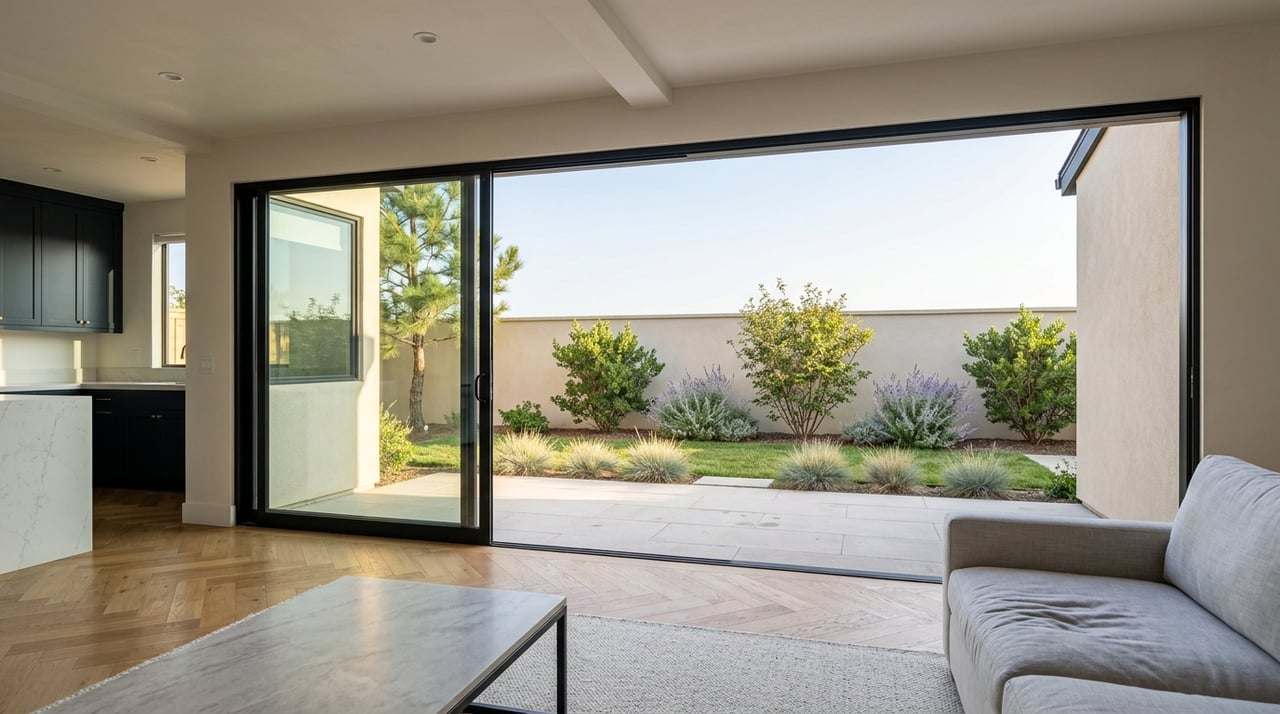
For South Boulder view homes, the strongest design pattern is often a generous connection on the view side. That may include larger picture windows, glass doors, or a broad opening to a deck or terrace that aligns with the main sightline.
If the home faces west or southwest, the tradeoff becomes more important. Those exposures can deliver beautiful late-day Flatirons light, but they also tend to bring more glare and heat gain than north- or south-facing openings. In those homes, window size, eaves, and exterior shading are not just design details. They are part of everyday comfort.
Outdoor Spaces Should Match the Exposure
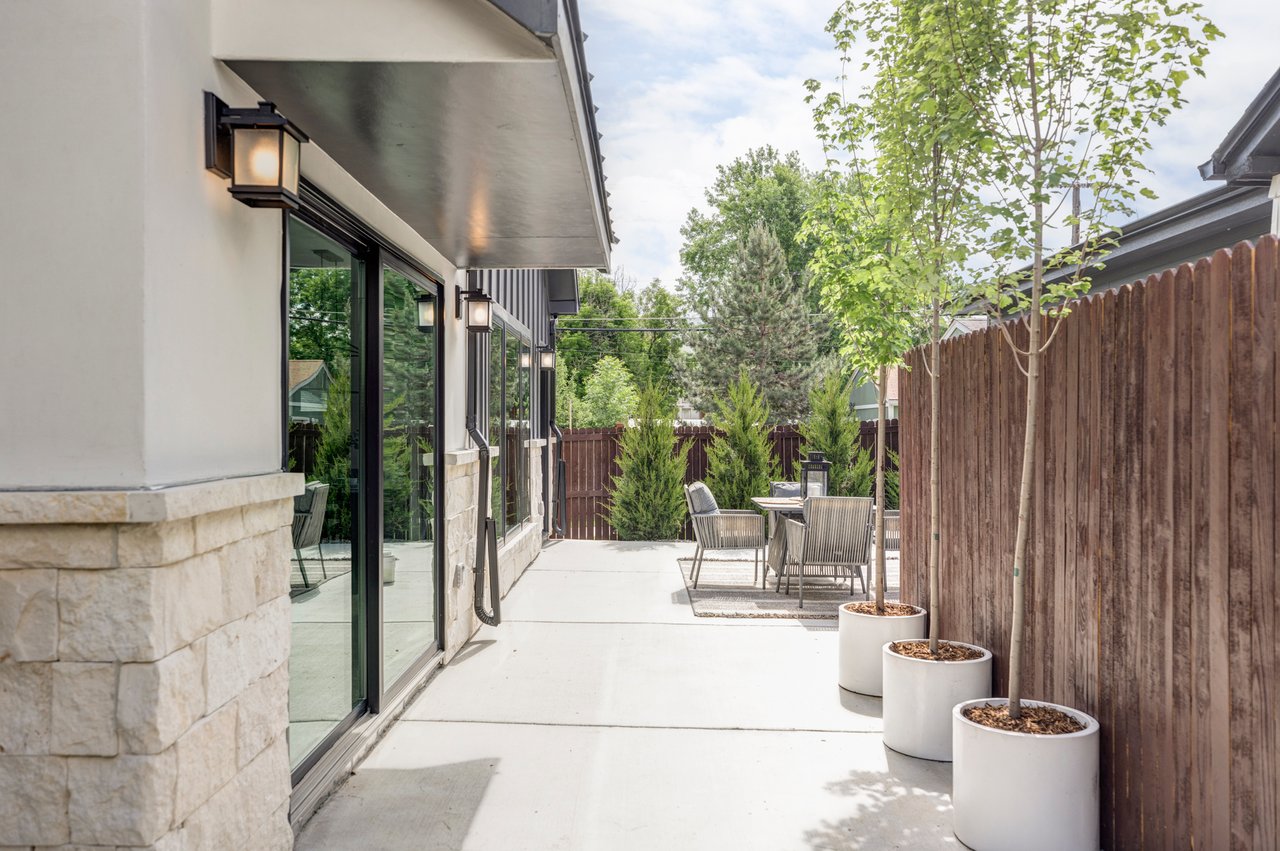
A great South Boulder view home should work beyond the walls of the house. In many cases, the best outdoor spaces are placed directly on the view side, with a deck, terrace, or patio that continues the main visual corridor.
That said, not all exposures perform the same way. A west-facing deck is not automatically a problem, but it usually needs more shade and heat management than a north- or south-facing outdoor room. Covered sections, thoughtful orientation, and seasonal usability should all be part of how you evaluate the space.
If you are comparing homes, ask yourself:
- Can you realistically use the outdoor area through spring, summer, and fall?
- Does the deck or patio align with the strongest view?
- Is there enough shade for late afternoon comfort?
- Do interior spaces flow naturally to the outdoor area?
In higher-end purchases, this is where design and investment discipline often overlap. A view is valuable, but a usable view is what truly supports how the property lives.
Due Diligence for South Boulder Lots
In South Boulder, a view conversation should never stop at scenery. The city’s planning framework notes that subcommunities are shaped by physical boundaries such as roads, waterways, and topography. On the ground, that means elevation, drainage, slope, and access can change quickly from one block to the next.
Floodplain review is especially important. The City of Boulder states that the regulated floodplain covers about 15% of the city and affects more than 2,500 structures. South Boulder Creek mitigation materials estimate that about 600 structures and 3,500 people within city limits are in the South Boulder Creek floodplain.
The city regulates development using FEMA 100-year floodplain maps, and work within that area can trigger a Floodplain Development Permit for additions or improvements. If you are considering a renovation, expansion, or major outdoor project, this is a critical point to verify early.
Before you fall in love with a South Boulder view lot, check:
- View corridor quality today
- Tree growth potential
- Neighboring structures and likely future changes
- Slope and drainage conditions
- Floodplain status
- How the current floor plan uses the lot’s best orientation
How to Think Like a Smart Buyer
The strongest South Boulder view-home decisions usually come from balancing beauty with function. You are not just choosing the best mountain backdrop. You are choosing how the home captures light, handles heat, connects to the outdoors, and supports future improvements.
In a neighborhood with many mid-century and postwar homes, this often means looking past surface finishes. A property with a modest exterior but excellent orientation, sensible grade change, and a renovation-friendly layout may offer more upside than a home with a flashier presentation but weaker fundamentals.
That is where disciplined evaluation matters. When you understand lot orientation, layout logic, and site constraints, you can buy with more confidence and avoid paying purely for first impressions.
If you are weighing a South Boulder purchase, thoughtful guidance can make the difference between simply buying a nice view and securing a home with lasting livability and value. To explore South Boulder opportunities with a design-aware, investment-minded approach, connect with Katherine Lillydahl.
FAQs
What makes South Boulder a strong area for view homes?
- South Boulder benefits from Boulder’s mountain setting, high elevation, 300-plus days of sunshine, and proximity to a large open-space system that helps preserve scenic backdrops.
Are most South Boulder view homes new construction?
- No. Much of South Boulder developed in the 1950s and 1960s, so many view properties are ranch, split-level, or bi-level homes with renovation or layout-improvement potential.
Why does lot orientation matter in South Boulder?
- Lot orientation can affect mountain sightlines, winter sunlight, glare, summer heat gain, and how well indoor and outdoor spaces function throughout the year.
Which rooms should face the view in a South Boulder home?
- In many cases, the living room, kitchen, and dining area work best on the side with the strongest mountain view, while garage, storage, and secondary spaces can sit on the lower-view side.
Are west-facing decks a problem for South Boulder homes?
- Not necessarily, but west- and southwest-facing outdoor spaces often need more shade and heat management because they tend to receive stronger late-day sun and glare.
What should buyers check before choosing a South Boulder view lot?
- Buyers should review the current view corridor, tree growth, neighboring structures, slope, drainage, floodplain status, and whether the home’s layout actually takes advantage of the lot’s best orientation.